Methodology
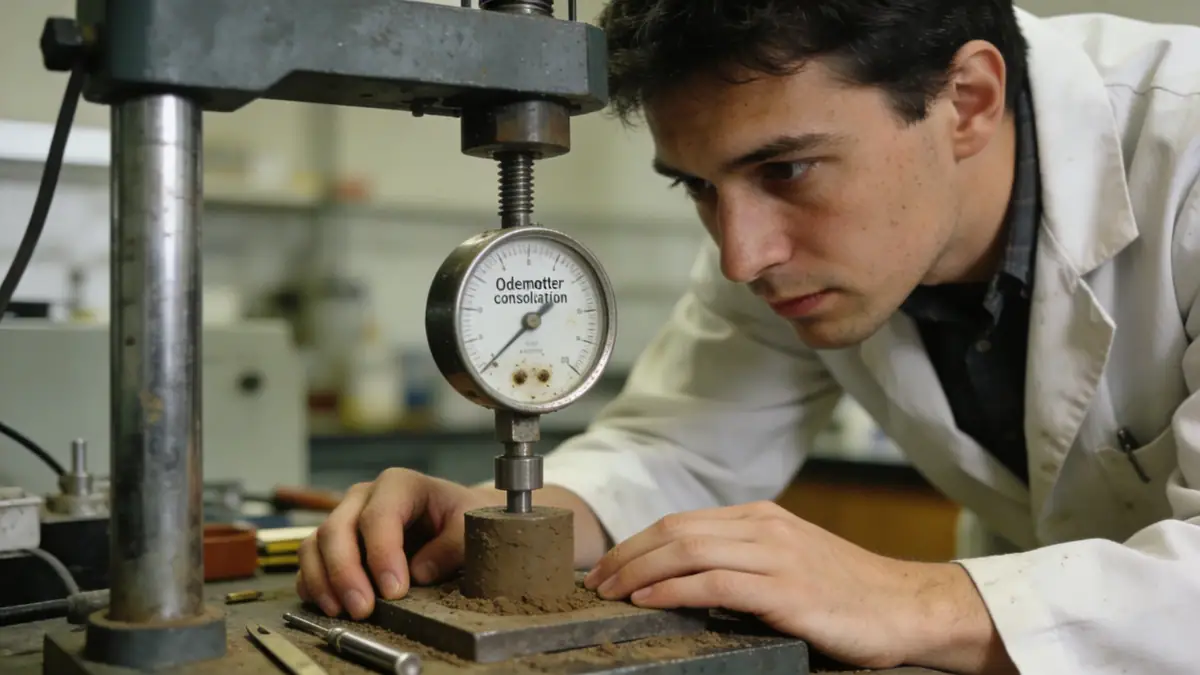
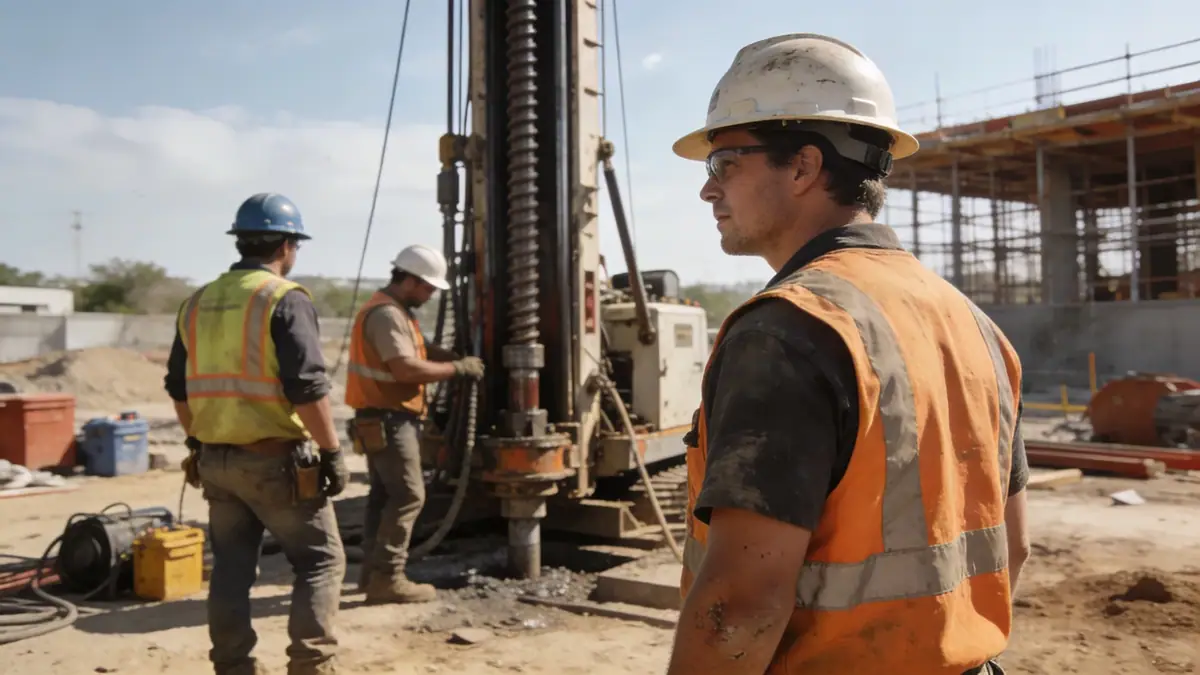
Our methodology integrates field investigation, laboratory analysis, and analytical design. We commence with a detailed desk study to assess geological and historical data, followed by a site reconnaissance. Subsurface exploration employs Standard Penetration Testing (SPT) per ASTM D1586, with boreholes extending to depths of 30 m or more in soft soils. Samples are retrieved for classification and strength testing in our Soil Mechanics Laboratory, where we determine parameters such as cohesion and friction angle. Advanced analyses, including slope stability assessments using limit equilibrium methods and retaining wall design per Australian Standards, complete our workflow. All data is synthesized into a comprehensive geotechnical report with clear recommendations.
Reference Technical Parameters
| Parameter | Reference Value |
|---|---|
| SPT N-value (typical range) | 4–50 blows/300 mm |
| Depth of investigation | 10–30 m standard |
| Groundwater depth | 1–15 m below surface |
| Bedrock depth | 5–50 m depending on region |
Local Considerations — Australia
Australia's diverse geology—from the ancient cratons of the west to the sedimentary basins of the east—demands localized expertise. In the northern regions, deep weathering profiles and expansive clays are common; in the south, stiff clays and sands overlying basalt pose foundation challenges. Seismic zones in Australia, though moderate, require compliance with AS 1170.4 for dynamic loading. Our team applies local knowledge refined through projects in cities such as Brisbane to address these conditions effectively. We also consider environmental factors like acid sulfate soils in coastal areas and reactive soils in the interior.
Request a Quote
Our team reviews your project and issues an initial report at no cost.
Or write us directly at [email protected]
Applicable Standards
- AS 1726 – Geotechnical Site Investigations
- AS 4678 – Earth Retaining Structures
- AS 1170.4 – Earthquake Actions
- ASTM D1586 – Standard Penetration Test
Frequently Asked Questions
What is the typical depth of a geotechnical investigation in Australia?
For most residential and commercial projects, investigations extend to depths of 10 to 30 meters, depending on the proposed load and subsurface conditions. Deeper borings may be required for high-rise structures or infrastructure projects.
How does soil reactivity affect foundation design?
Expansive soils, common in parts of Australia, undergo significant volume changes with moisture variation. Our team classifies soil reactivity per AS 2870 and designs foundations—such as stiffened rafts or piers—to mitigate movement risks.
What standards govern slope stability analysis in Australia?
Slope stability design follows AS 4678 and AS 1726, with factors of safety typically between 1.3 and 1.5 for temporary slopes and 1.5 to 2.0 for permanent ones. Our analyses use limit equilibrium methods and consider seismic loads per AS 1170.4.