Methodology
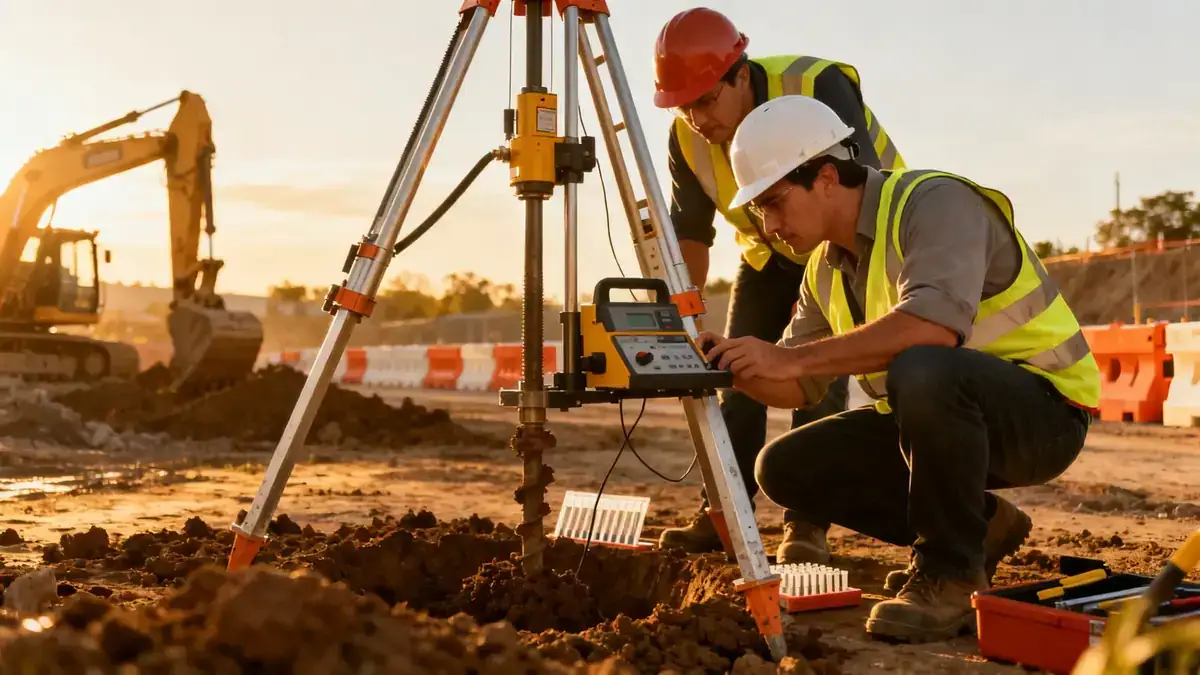
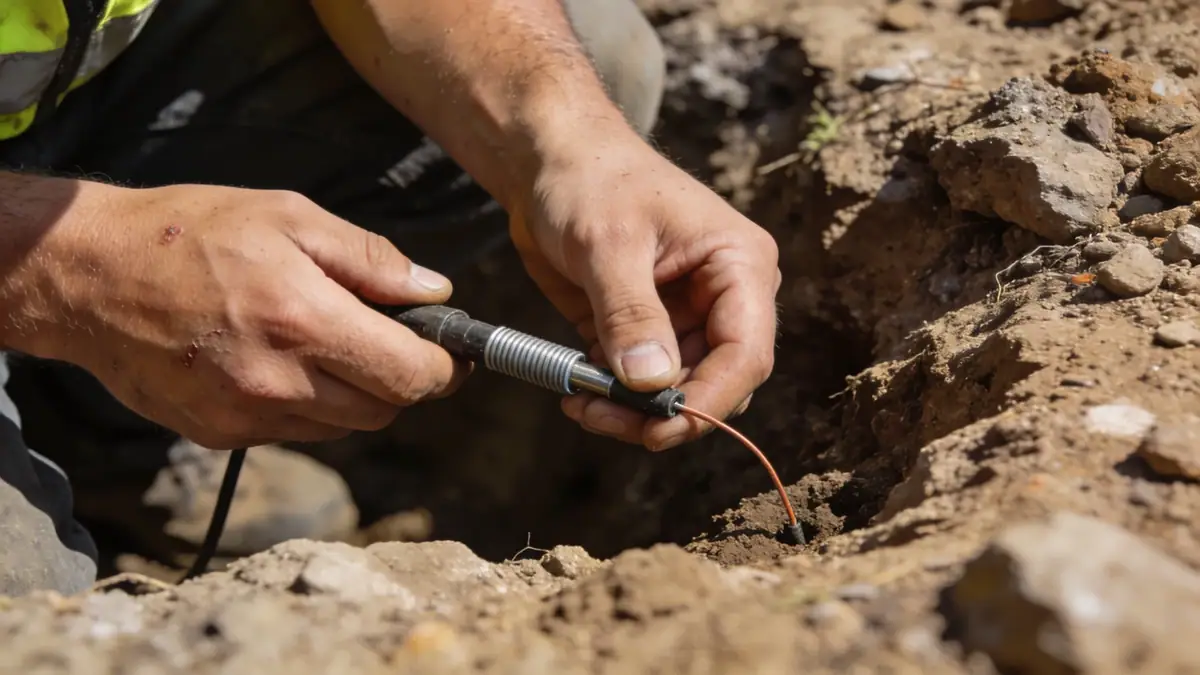
Our methodological approach for geotechnical engineering in Hobart integrates field investigation, laboratory testing, and analytical modeling. We begin with a desk study of existing geological maps and site history, followed by a reconnaissance survey. Fieldwork typically involves spt boring to obtain soil samples and measure in-situ resistance, supplemented by test pits where access or shallow depths dictate. Laboratory testing classifies soils and determines strength and consolidation parameters. Analyses follow Australian standards and incorporate local seismic requirements. Our methodology ensures that each site's variability is captured, providing a robust basis for foundation and earthworks design.
Reference Technical Parameters
| Parameter | Reference Value |
|---|---|
| Predominant soil type | Residual silty clay and sandy gravel over dolerite bedrock |
| Maximum seismic acceleration (PGA) | 0.08g to 0.12g (AS 1170.4, 500-year return period) |
| Typical groundwater level | 3 to 8 m below ground surface, locally shallower in valleys |
| Bedrock depth | 1 to 10 m, with deeper weathering profiles on slopes |
| Typical N60 range (SPT) | 10 to 30 blows per 300 mm in residual soils; >50 in weathered dolerite |
Local Considerations — Hobart
Hobart's geology is dominated by Jurassic dolerite, which forms the bedrock for most of the city. Residual soils derived from dolerite weathering vary in thickness, from less than a meter on ridgelines to over 10 m in valleys. Groundwater is generally deep but can be encountered in fractured dolerite or alluvial deposits near the Derwent River. Seismicity is moderate; peak ground accelerations per AS 1170.4 range from 0.08g to 0.12g. Local councils may require slope stability assessments for hillside developments due to the potential for landslides in weathered profiles. Our firm integrates these factors into site-specific recommendations.
Request a Quote
Our team reviews your project and issues an initial report at no cost.
Or write us directly at [email protected]
Services in Hobart
Locations covered in Hobart
Applicable Standards
- AS 1170.4 (Earthquake actions)
- AS 1726 (Geotechnical site investigations)
- AS 2870 (Residential slabs and footings)
- AS 4678 (Earth retaining structures)
- Tasmanian Building Act 2016
Frequently Asked Questions
What are the typical soil conditions in Hobart?
Hobart's soils are primarily residual silty clays and sandy gravels derived from weathering of dolerite bedrock. Depth to bedrock varies, with shallow rock on ridges and deeper soils in valleys. Alluvial deposits occur along the Derwent River.
Is a geotechnical investigation mandatory for building in Hobart?
While not always mandatory for minor works, most local councils require a geotechnical report for new foundations, earthworks, or retaining structures. The Tasmanian Building Act and AS 2870 often necessitate site classification based on soil testing.
How does seismic risk affect foundation design in Hobart?
Hobart has moderate seismic risk per AS 1170.4, with PGA up to 0.12g. This influences foundation design, particularly for structures on soft soils or steep slopes. Site-specific seismic analysis may be required for essential buildings.