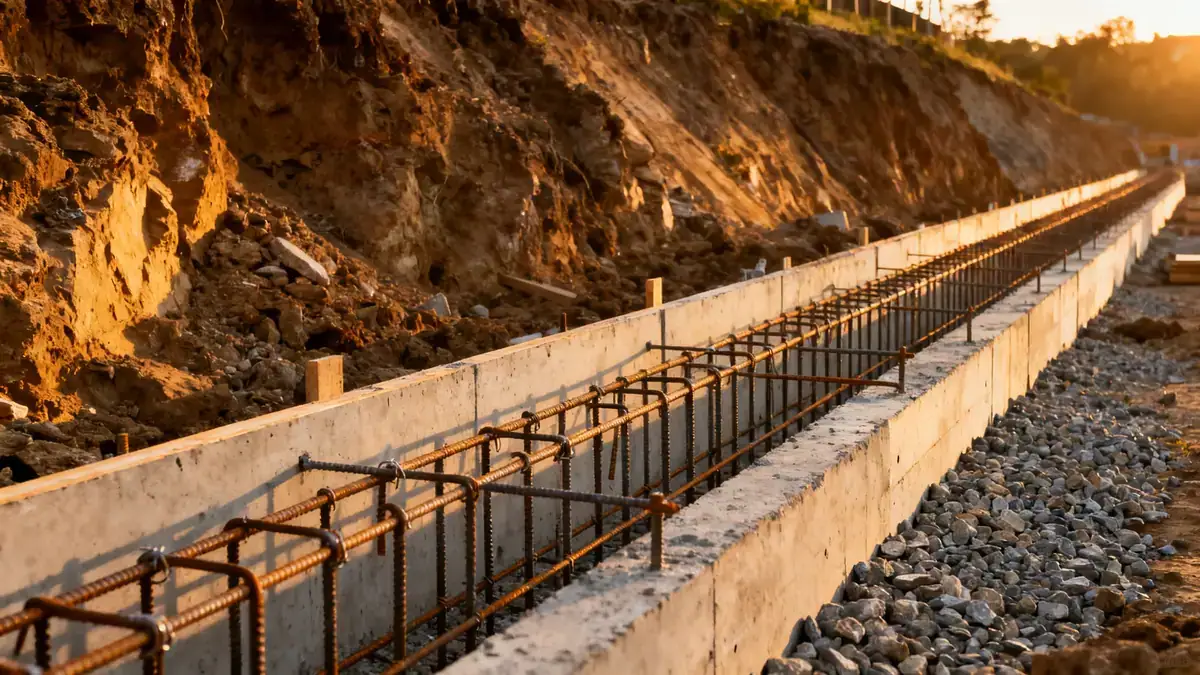
Methodology
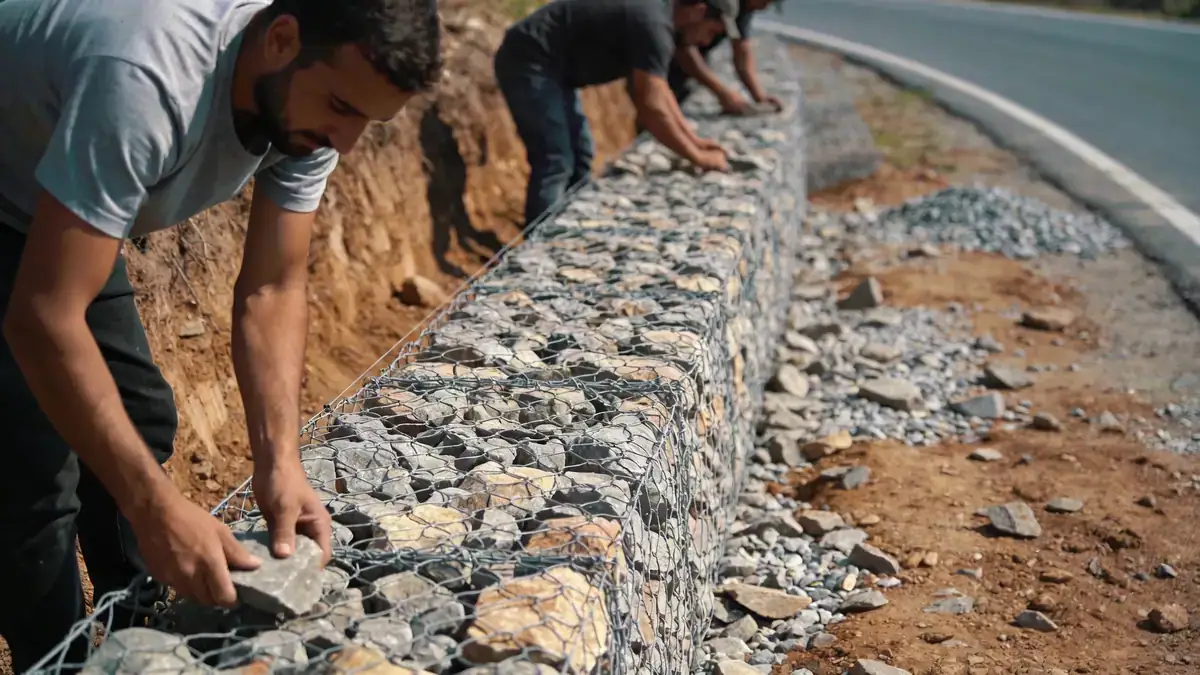
Our methodology for retaining wall design begins with a site-specific subsurface investigation using SPT boring (ASTM D1586) and soil sampling to depths typically reaching 6–12 m below ground level. Laboratory testing determines soil strength parameters (friction angle, cohesion) and groundwater conditions. We then classify the wall type—gravity, cantilever, anchored, or mechanically stabilized earth—and calculate lateral earth pressures using Rankine or Coulomb theory. Numerical modeling (finite element or limit equilibrium) is employed for complex geometries. Our team references AS 4678-2002 for design and AS 1170.4 for seismic loads. For detailed subsurface data, we rely on our SPT Boring service.
Reference Technical Parameters
| Parameter | Reference Value |
|---|---|
| Design Life | 50–100 years |
| Lateral Earth Pressure (active) | 20–60 kPa typical |
| Soil Friction Angle (design) | 28°–40° |
| Factor of Safety (sliding) | ≥1.5 |
| Maximum Wall Height (unreinforced) | ≤3 m |
Local Considerations — Australia
Australia’s diverse geology—from the reactive clays of Adelaide and Melbourne to the sandy profiles of Brisbane and the Gold Coast—demands region-specific retaining wall solutions. In seismically active zones such as Adelaide and Perth, ASCE 7 and AS 1170.4 seismic coefficients govern design. Our team adapts drainage and backfill specifications for each city, for example using free-draining aggregates in high-rainfall areas like Cairns and Darwin. In colder regions like Ballarat and Bendigo, frost heave is considered. This localized expertise, combined with national coverage, ensures safe and economical designs. For instance, in Adelaide, we frequently design for expansive soil conditions.
Request a Quote
Our team reviews your project and issues an initial report at no cost.
Or write us directly at [email protected]
Applicable Standards
- AS 4678-2002 Earth Retaining Structures
- AS 1170.4-2007 Structural Design Actions – Earthquake
- AS 1726-2017 Geotechnical Site Investigations
- ASTM D1586 Standard Test Method for SPT
Frequently Asked Questions
What is the typical process for retaining wall design?
Our process includes a site visit, subsurface investigation (SPT borings, test pits), laboratory testing, and geotechnical analysis. We then prepare a design report with wall type recommendations, reinforcement details, drainage specifications, and construction notes. The timeline varies but typically 2–4 weeks for standard projects.
Which Australian standards apply to retaining wall design?
The primary standard is AS 4678-2002 Earth Retaining Structures. Additionally, AS 1170.4 for seismic loads, AS 1726 for site investigation, and AS 5100 for bridge abutments may apply. Our designs comply with all relevant NCC and local council requirements.
What factors influence the design of a retaining wall?
Key factors include soil type, groundwater level, surcharge loads, wall height, seismic zone, and adjacent structures. We also consider drainage, corrosion protection, and long-term performance. Each design is tailored to site-specific conditions identified during our investigation.
How much does retaining wall design cost in Australia?
Costs typically range from $1,620 to $6,480 depending on wall height, site complexity, number of borings, and laboratory tests. This includes a full geotechnical investigation, design report, and construction recommendations. We recommend contacting us for a project-specific quote.