Methodology
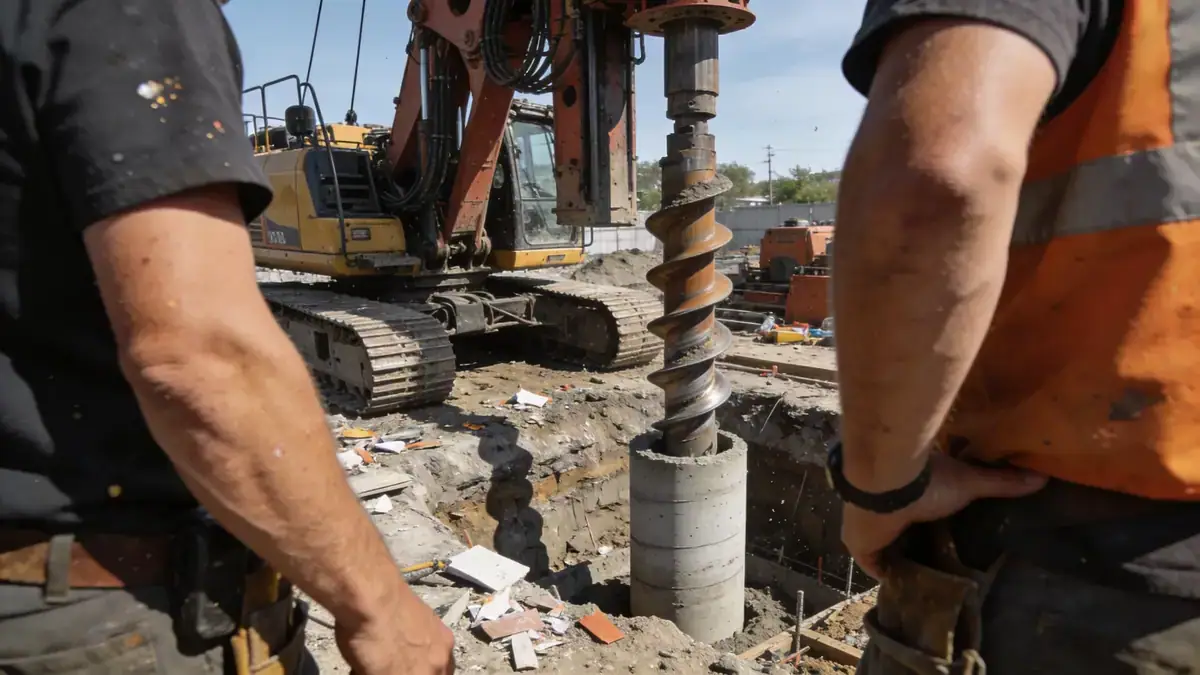
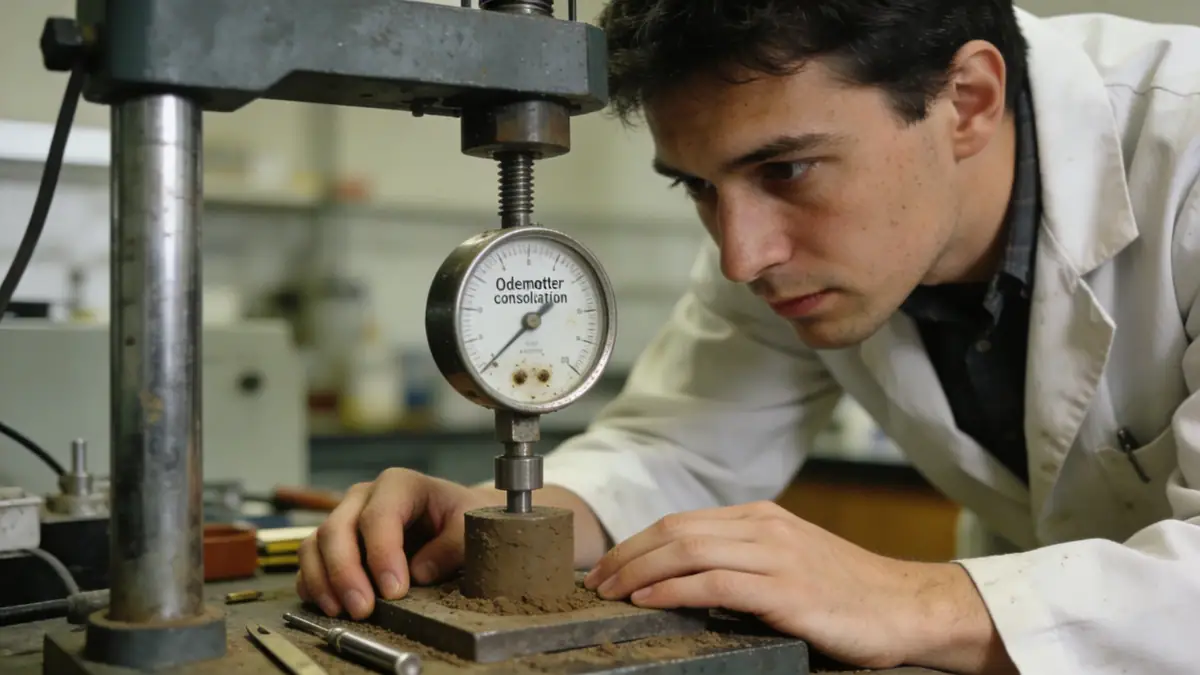
Our methodology for geotechnical engineering in Sydney begins with a comprehensive desk study of geological maps, borehole records, and seismic zoning. We then design an intrusive investigation program tailored to site conditions, which may include spt boring to assess soil strength and stratification, or soil mechanics laboratory testing for classification and shear parameters. Fieldwork follows strict protocols: SPT at 1.5 m intervals per ASTM D1586, with continuous sampling in critical zones. Data are interpreted using both empirical correlations and analytical models, yielding design parameters for foundations, retaining walls, and slope stability. All work adheres to Australian standards and local council requirements.
Reference Technical Parameters
| Parameter | Reference Value |
|---|---|
| Predominant soil type | Hawkesbury Sandstone, Wianamatta Shale, Quaternary alluvium |
| Maximum seismic acceleration (PGA) | 0.08–0.12 g (AS 1170.4 Site Class B/C) |
| Typical groundwater level | 2–10 m below ground surface (variable with season) |
| Bedrock depth | 1–30 m (shallower in elevated areas, deeper in valleys) |
| Typical N60 range | 8–50 blows/300mm (sandstone >100, alluvium 5–20) |
Local Considerations — Sydney
Sydney’s geology is dominated by the Triassic Hawkesbury Sandstone and the overlying Wianamatta Group shales, with Quaternary alluvium along the Parramatta River and coastal dunes in the eastern suburbs. Groundwater is often perched above the sandstone, requiring careful dewatering plans. Seismically, Sydney is in Zone 0 (low hazard) per AS 1170.4, but site effects can amplify motion, especially on deep alluvial fills. The contrast between the firm sandstone of the CBD and the compressible clays of Homebush Bay illustrates the need for tailored approaches. Typical issues include reactive clay behavior in western suburbs and rock excavation costs in the north. For retaining structures, retaining wall design must account for lateral pressures from both soil and water in these variable conditions.
Request a Quote
Our team reviews your project and issues an initial report at no cost.
Or write us directly at [email protected]
Services in Sydney
Locations covered in Sydney
Applicable Standards
- AS 1170.4 (Seismic actions)
- AS 1726 (Geotechnical site investigations)
- AS 4678 (Earth retaining structures)
- ASTM D1586 (Standard Penetration Test)
- Eurocode 7 (Geotechnical design – reference)
Frequently Asked Questions
What are the typical soil types encountered in Sydney?
Sydney’s soils range from Hawkesbury Sandstone (strong, low compressibility) to Wianamatta Shale (medium strength, prone to slaking) and Quaternary alluvium (variable, often soft clays and sands). Coastal areas have loose dune sands. Each type requires different foundation and excavation approaches.
Is seismic design required for geotechnical engineering in Sydney?
Yes. While Sydney is in Seismic Zone 0 (low hazard) per AS 1170.4, site-specific seismic assessment is still required for important structures. Soil amplification on deep alluvial sites can increase ground motion, so geotechnical reports must include site class determination and, where needed, dynamic analysis.
Are geotechnical investigations mandatory for all developments in Sydney?
Most local councils in Sydney require a geotechnical report for developments involving excavation, retaining walls, or foundations on reactive or filled ground. The Building Code of Australia (BCA) also mandates site classification for residential slabs. Our firm advises early-stage investigations to avoid costly redesign.