Methodology
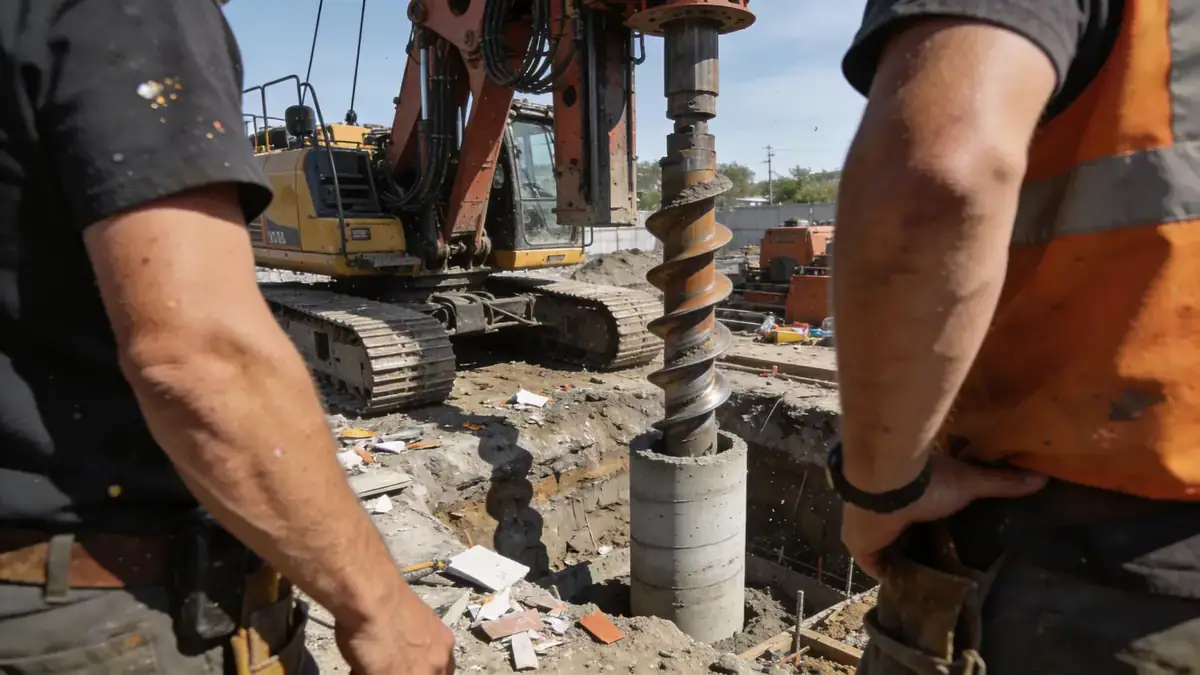
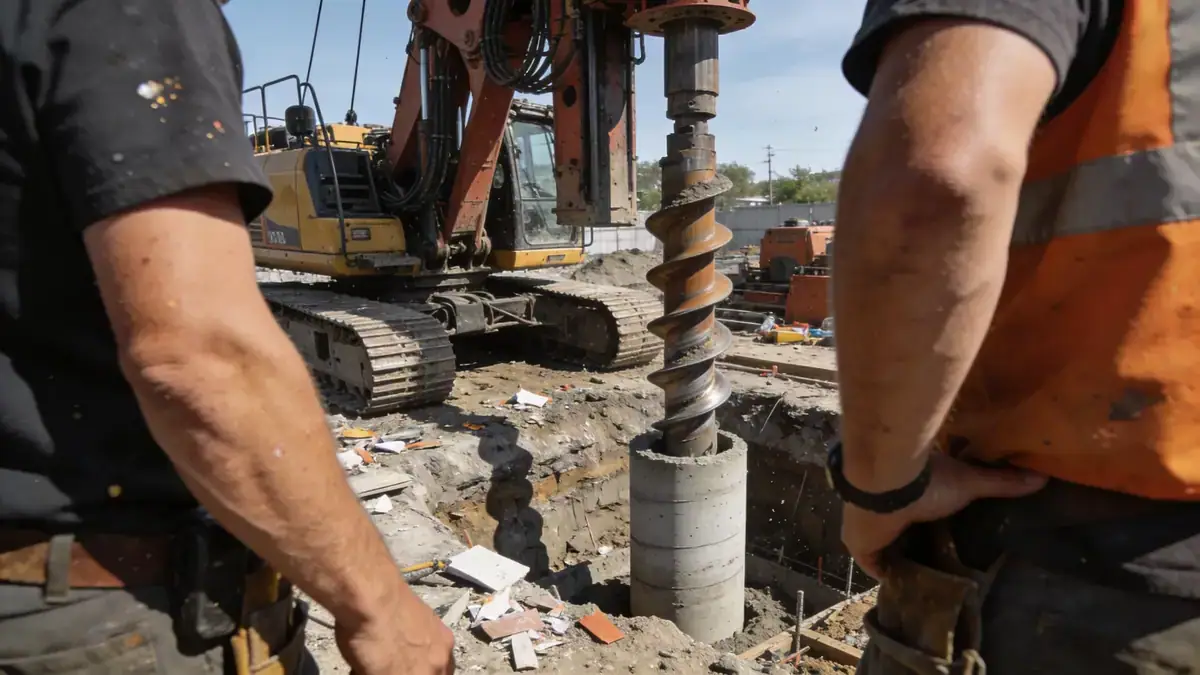
Our methodology for geotechnical engineering in Perth begins with a review of existing geological maps and local borehole records. We then conduct field investigations, including spt boring to obtain soil samples and measure N60 values at regular intervals as per ASTM D1586. Laboratory testing on retrieved samples determines index properties, strength parameters, and consolidation characteristics. This data informs our analysis of bearing capacity, settlement, and slope stability. We integrate findings with site-specific conditions, such as groundwater levels and seismic hazard, to develop safe and economical foundation designs.
Reference Technical Parameters
| Parameter | Reference Value |
|---|---|
| Predominant soil type | Sand and clayey sand (Spearwood Dune System) |
| Maximum seismic acceleration (PGA) | 0.10g to 0.15g (AS 1170.4) |
| Typical groundwater level | 2 to 5 meters below surface |
| Bedrock depth | 15 to 30 meters in coastal areas |
| Typical N60 range | 10 to 30 blows per 300mm |
Local Considerations — Perth
Perth's geology is dominated by the Swan Coastal Plain, comprising aeolian sands, alluvial deposits, and limestone. Key considerations include: 1) Shallow groundwater in low-lying areas requires dewatering during excavation. 2) Acid sulfate soils are present in wetlands, requiring management plans. 3) Seismic hazard is moderate, with PGA up to 0.15g per AS 1170.4. 4) Contrast between dense sands in the west and soft clays in the east affects foundation design. 5) Typical projects involve residential subdivisions requiring soil mechanics laboratory testing for fill compaction and bearing capacity.
Request a Quote
Our team reviews your project and issues an initial report at no cost.
Or write us directly at [email protected]
Services in Perth
Locations covered in Perth
Applicable Standards
- AS 1170.4 (Earthquake actions)
- AS 2870 (Residential slabs and footings)
- ASTM D1586 (Standard Penetration Test)
- AS 1726 (Geotechnical site investigations)
Frequently Asked Questions
What are the typical soil types encountered in Perth?
Perth's soils are predominantly sandy, with the Spearwood and Bassendean dune systems covering much of the coastal plain. Clay and silt deposits occur in river valleys, while limestone (Tamala Limestone) is present in coastal areas. Understanding these variations is critical for foundation design.
Is geotechnical investigation mandatory for building in Perth?
While not always mandatory for minor structures, most local councils in Western Australia require a geotechnical report for new dwellings, particularly on reactive soils or in areas prone to settlement. The report ensures compliance with AS 2870 and local building codes.
How does seismic activity affect foundation design in Perth?
Perth is in a moderate seismic zone with a PGA of 0.10g to 0.15g per AS 1170.4. This influences foundation design for critical structures, requiring deeper footings or reinforced slabs to resist lateral loads. Site-specific response spectra may be needed for tall buildings.