Methodology
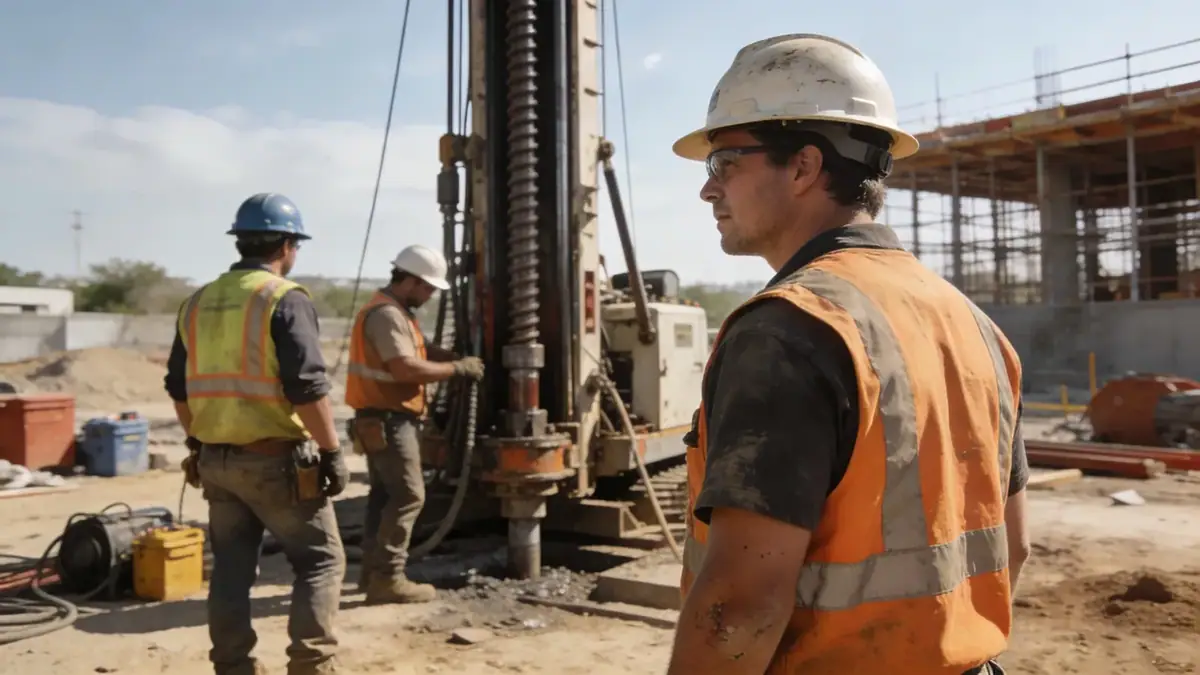
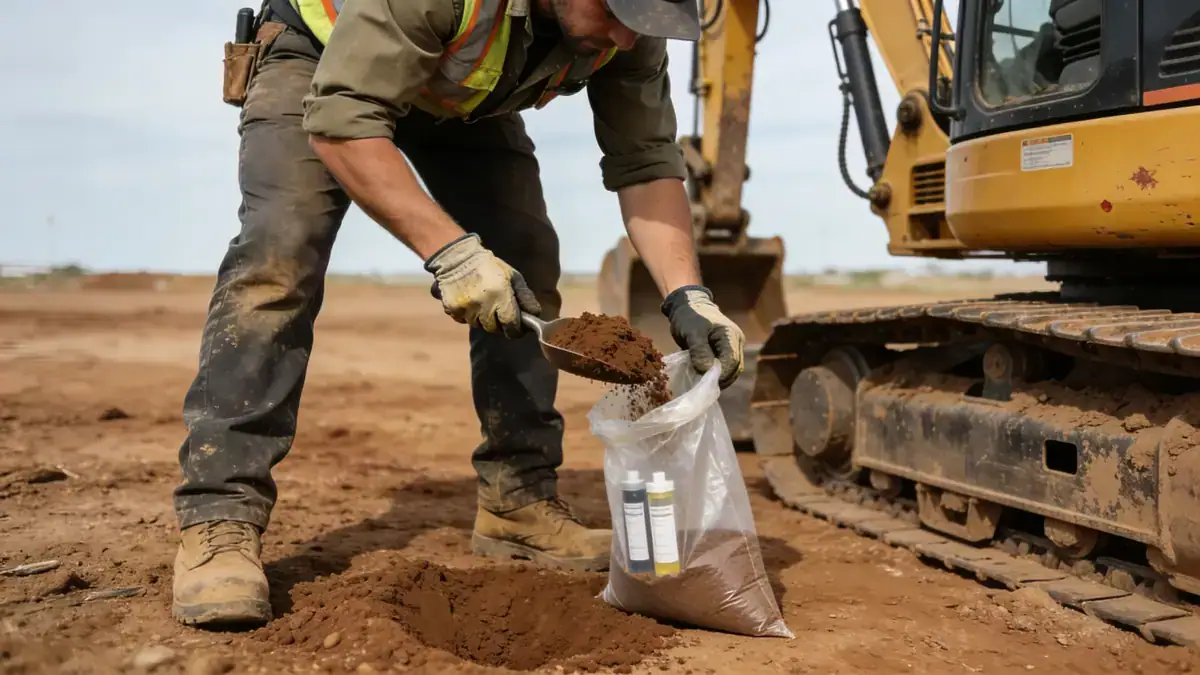
Our methodology for Darwin projects follows a phased approach: desktop study, field investigation, laboratory testing, and analysis. We prioritize spt boring to capture disturbed and undisturbed samples at 1.0–1.5 m intervals per AS 1289.6.3.1, supplemented by cone penetration testing (CPT) for continuous stratigraphic profiling. Laboratory tests include Atterberg limits, particle size distribution (AS 1289.3.6.1), and direct shear (AS 1289.6.2.2) to characterize soil behavior. Data integration into geotechnical models supports foundation recommendations that address shrink-swell potential and seismic loads.
Reference Technical Parameters
| Parameter | Reference Value |
|---|---|
| Predominant soil type | Expansive clay, sandy clay, and silty sand |
| Maximum seismic acceleration (PGA) | 0.12 g (AS 1170.4, Zone B) |
| Typical groundwater level | 1.5–4.0 m below ground surface |
| Bedrock depth | 10–30 m (variable; shallow in eastern suburbs) |
| Typical N60 range | 5–30 blows/300 mm (clay to dense sand) |
Local Considerations — Darwin
Darwin's geology is dominated by Quaternary alluvial and estuarine deposits, with expansive clays (reactive to moisture changes) and shallow groundwater in low-lying areas like Stuart Park and Parap. Seismic design per AS 1170.4 is mandatory (Zone B, PGA 0.12 g). The western suburbs (e.g., Wagaman) feature stiffer sands, while northern coastal areas (e.g., Nightcliff) have softer marine clays. Common issues include foundation heave from reactive clays and liquefaction risk in saturated sands. Our soil mechanics laboratory provides tailored testing for shrink-swell classification and consolidation to address these conditions.
Request a Quote
Our team reviews your project and issues an initial report at no cost.
Or write us directly at [email protected]
Services in Darwin
Applicable Standards
- AS 1170.4: Seismic actions
- AS 1289: Methods of testing soils
- AS 2870: Residential slabs and footings
- National Construction Code (NCC) 2022
Frequently Asked Questions
What are the typical soil conditions in Darwin for foundation design?
Darwin's soils are predominantly expansive clays and silty sands, with shallow groundwater (1.5–4 m). Foundation design must account for shrink-swell potential and seismic loads. Site-specific investigation is essential to determine reactivity classification and bearing capacity.
Is seismic design required for geotechnical engineering in Darwin?
Yes, Darwin is classified as Seismic Zone B under AS 1170.4, with a peak ground acceleration of 0.12 g. Geotechnical assessments must evaluate liquefaction potential and provide seismic foundation parameters for compliance with the NCC.
Are geotechnical investigations mandatory for construction in Darwin?
While not always legally required, most councils and engineers recommend a geotechnical investigation for any structure. It is essential for reactive soil sites and seismic design to ensure safety and cost-effectiveness. Lenders often require it for financing.