Methodology
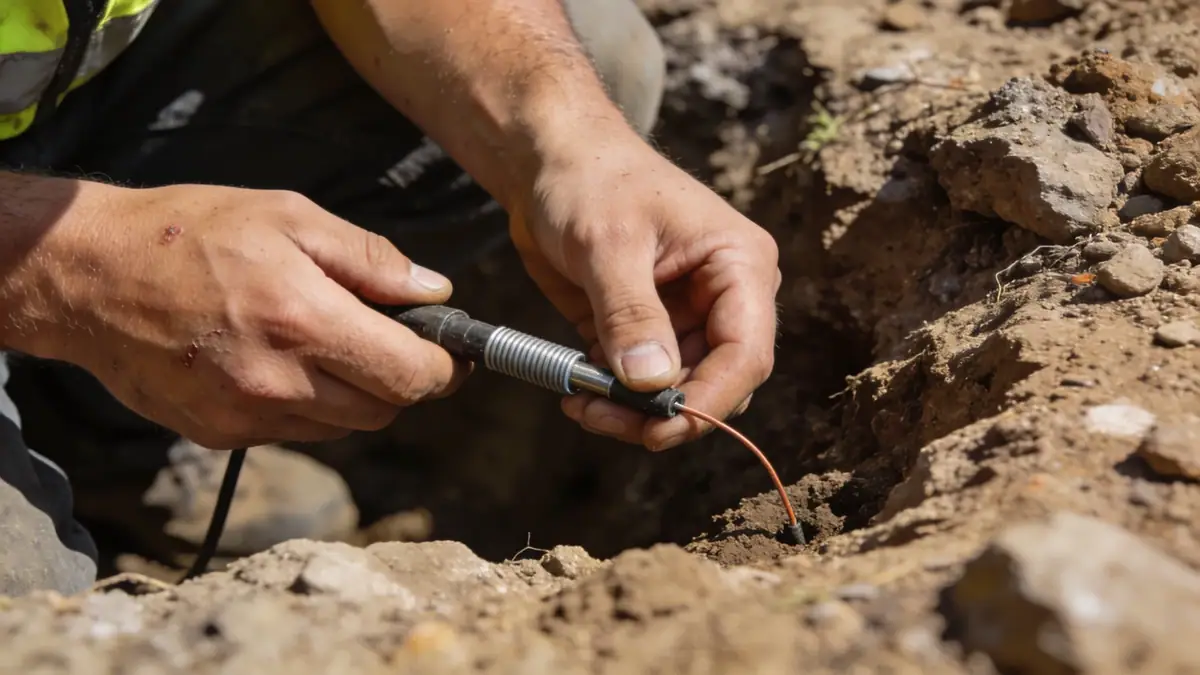
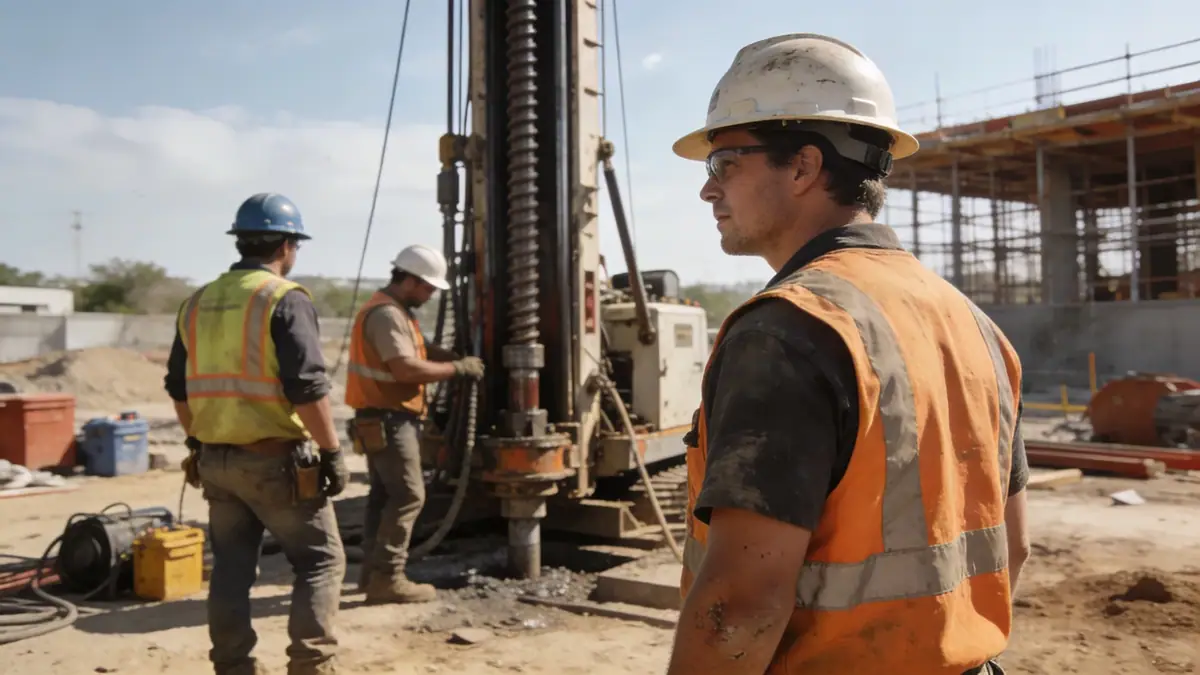
Our approach to geotechnical engineering in Adelaide integrates advanced field testing and laboratory analysis to characterize the subsurface accurately. We employ standard penetration testing (SPT) per ASTM D1586, with sampling intervals typically from 1.0 to 1.5 meters, reaching depths of 8 to 15 meters for residential projects and up to 30 meters for industrial sites. In our soil mechanics laboratory, we perform grain size distribution (ASTM D6913), Atterberg limits, and direct shear tests to classify soils and assess shear strength. This systematic methodology ensures reliable design parameters for foundations, retaining walls, and slope stability, tailored to Adelaide's geological diversity.
Reference Technical Parameters
| Parameter | Reference Value |
|---|---|
| Predominant soil type | Clay, sand, and alluvial deposits in plains; stiff clay and rock in hills |
| Maximum seismic acceleration (PGA) | 0.08–0.12 g (AS 1170.4 for Adelaide) |
| Typical groundwater level | 1–5 m depth in coastal areas; deeper inland |
| Bedrock depth | 5–20 m in plains; 0–5 m in hills |
| Typical N60 range | 5–30 blows/ft in clay; 30–50 in sand |
Local Considerations — Adelaide
Adelaide's geology is dominated by Quaternary alluvial and coastal plain deposits underlain by Proterozoic and Cambrian rocks. In the western suburbs, soft clays and sands with shallow groundwater (1–3 m) pose liquefaction risks under seismic loading (AS 1170.4). The eastern hills feature stiff residual clays and rock, requiring careful excavation and rock slope stability analysis. Our team addresses these contrasts by customizing investigation scope: slope stability analyses for hillside developments and deep foundations for low-lying areas. Typical case studies include foundation settlements on the plains and retaining wall design for hill cuts.
Request a Quote
Our team reviews your project and issues an initial report at no cost.
Or write us directly at [email protected]
Services in Adelaide
Locations covered in Adelaide
Applicable Standards
- AS 1170.4 – Earthquake actions in Australia
- AS 1726 – Geotechnical site investigations
- ASTM D1586 – Standard test method for SPT
- Eurocode 7 (EN 1997) for specialized projects
Frequently Asked Questions
What are the typical soil types encountered in Adelaide?
Adelaide's soils vary from soft clays and sands in the coastal plains (often with high plasticity) to stiff clays and weathered rock in the Adelaide Hills. Alluvial deposits along the Torrens River also influence foundation design. A site-specific investigation is essential to determine exact conditions.
Is seismic analysis required for geotechnical work in Adelaide?
Yes, Adelaide is in a moderate seismic zone per AS 1170.4, with peak ground accelerations of 0.08–0.12 g. Geotechnical reports must include site classification and liquefaction potential for critical structures, especially in soft soil areas near the coast.
Are geotechnical investigations mandatory for new constructions in Adelaide?
While not always legally mandatory, most local councils and engineers require a geotechnical site investigation for building approvals, particularly for multi-story or infrastructure projects. It is strongly recommended to avoid foundation failures and comply with the National Construction Code.