Methodology
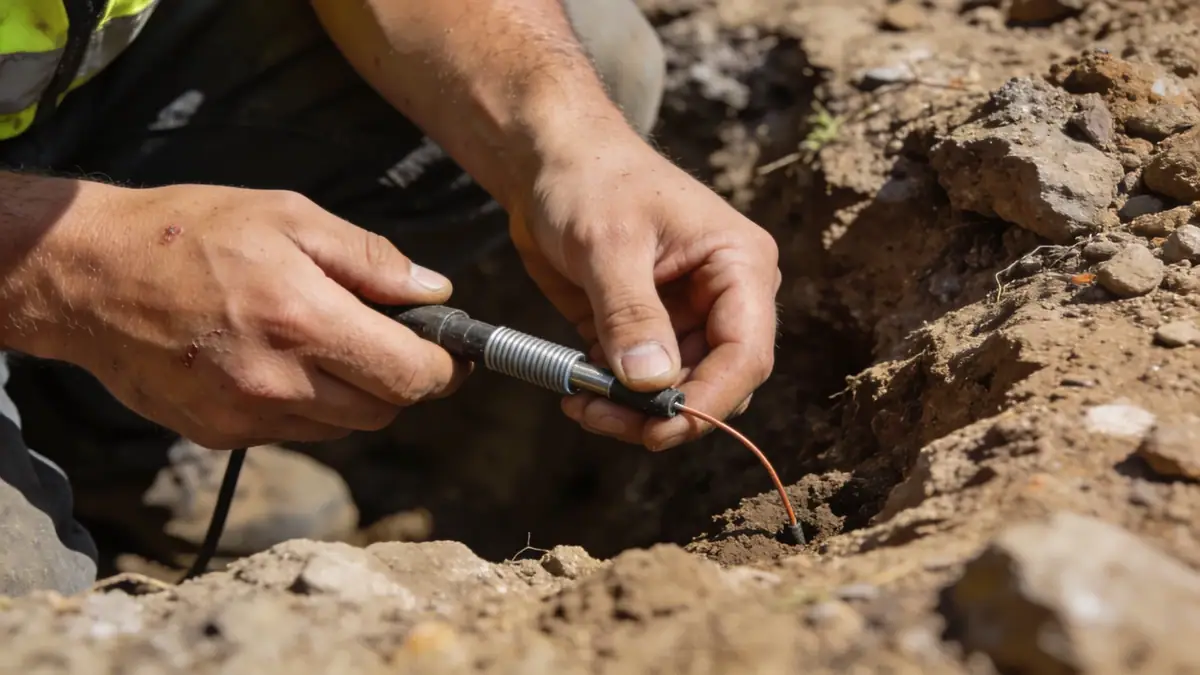
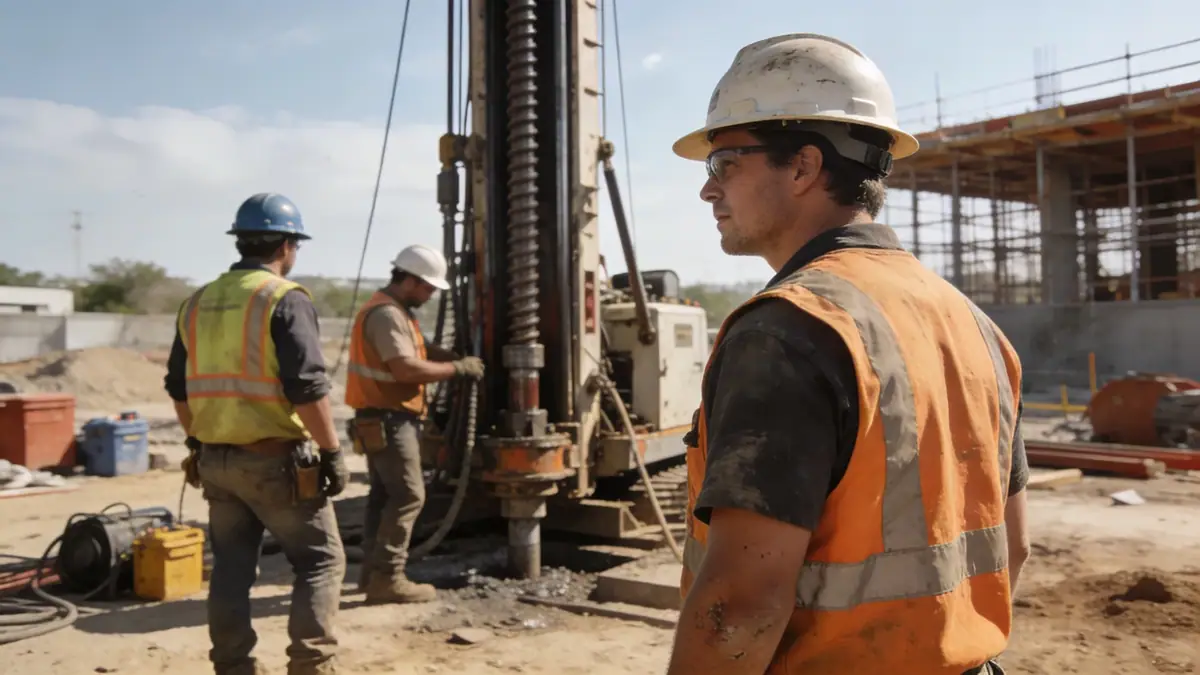
Our approach to geotechnical engineering in Mildura integrates field and laboratory programmes aligned with Australian Standards. We conduct spt boring to obtain disturbed and undisturbed samples, with testing intervals per ASTM D1586. In our soil mechanics laboratory, we perform classification tests (gradation, Atterberg limits) and strength/compressibility assessments (direct shear, consolidation). Geotechnical modelling uses parameters derived from site-specific data to inform foundation design, slope stability, and earthworks. This systematic methodology ensures robust characterisation of Mildura's alluvial soils for safe and economical engineering solutions.
Reference Technical Parameters
| Parameter | Reference Value |
|---|---|
| Predominant soil type | Silty sand (SM) and low-plasticity clay (CL) |
| Maximum seismic acceleration (PGA) | 0.08g (AS 1170.4, 500-year return period) |
| Typical groundwater level | 3–8 m below ground surface |
| Bedrock depth | >30 m (deep Tertiary sediments) |
| Typical N60 range (SPT) | 5–25 blows/300mm in sand; 10–30 in clay |
Local Considerations — Mildura
Mildura's alluvial soils exhibit variable density and moisture content, requiring careful assessment of bearing capacity and settlement. The shallow water table in near-river areas can necessitate dewatering or watertight designs. Seismic site class is typically D or E per AS 1170.4, amplifying ground motions for taller structures. Contrasts exist between older river terraces (stiffer sands) and floodplain clays (lower strength). Typical challenges include reactive clay behaviour affecting slab foundations and liquefaction potential in loose saturated sands. Our team integrates these factors into tailored geotechnical recommendations for the region. For broader regional context, see our geotechnical engineering services from Adelaide hub.
Request a Quote
Our team reviews your project and issues an initial report at no cost.
Or write us directly at [email protected]
Services in Mildura
Applicable Standards
- AS 1170.4 – Earthquake actions
- AS 1726 – Geotechnical site investigations
- AS 2870 – Residential slabs and footings
- ASTM D1586 – Standard penetration test (SPT)
Frequently Asked Questions
What soil types are commonly found in Mildura?
Mildura's geology is dominated by Quaternary alluvial deposits: silty sands (SM), low-plasticity clays (CL), and occasional gravels. These soils vary in density and moisture content, influencing foundation design and construction methods in the region.
Is Mildura in a seismic zone requiring special foundation design?
Yes, Mildura is in seismic Zone I per AS 1170.4, with a peak ground acceleration of 0.08g. While not high, site-specific seismic assessment is recommended for critical structures, especially on soft soils that may amplify ground motion.
Are geotechnical investigations mandatory for new buildings in Mildura?
The National Construction Code requires site classification for residential slabs (AS 2870) and geotechnical investigation for commercial/industrial structures. Local councils may also mandate reports for developments on reactive soils or flood-prone areas.