Methodology
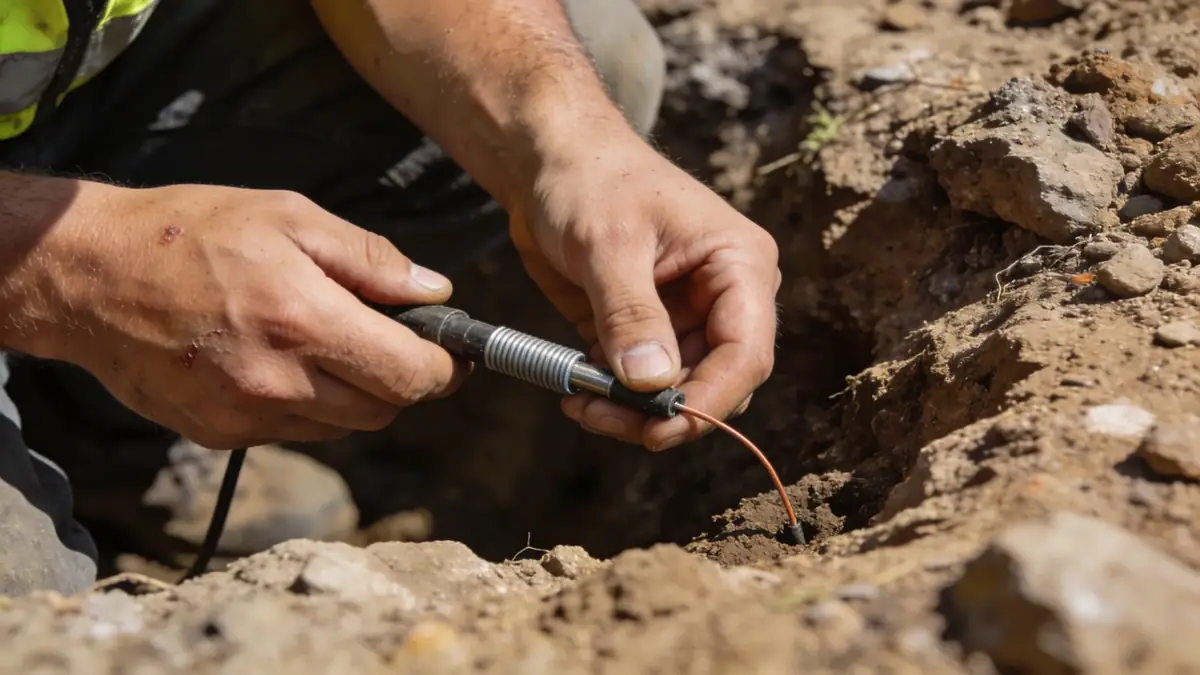
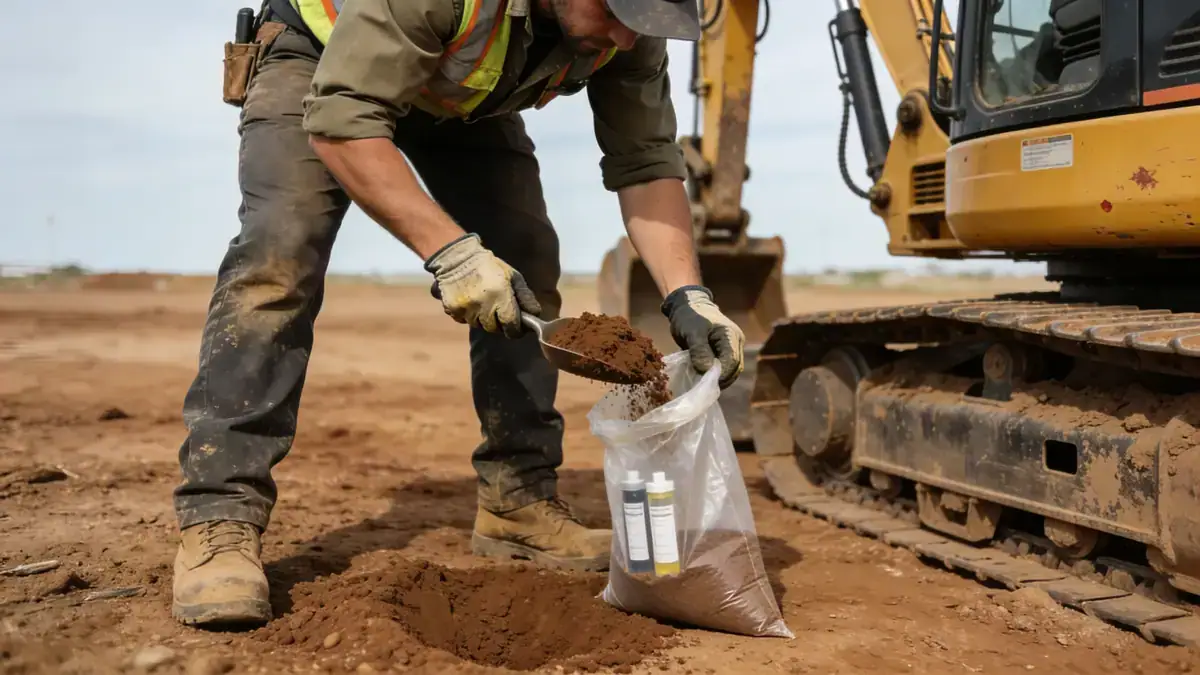
Our approach to geotechnical engineering in Canberra integrates field and laboratory testing to characterize subsurface conditions. We employ spt boring to obtain disturbed samples and measure N60 values, supplemented by undisturbed sampling for laboratory analysis. In the laboratory, we conduct classification tests including particle size distribution (ASTM D6913), Atterberg limits (ASTM D4318), and compaction tests (ASTM D698). For slope stability and retaining wall design, we perform direct shear (ASTM D3080) and consolidation tests (ASTM D2435) to derive strength and compressibility parameters. This ensures robust foundation designs compliant with local regulations.
Reference Technical Parameters
| Parameter | Reference Value |
|---|---|
| Predominant Soil Type | Silty clay and clayey sand (CH, CL, SC) |
| Maximum Seismic Acceleration (PGA) | 0.08 g (AS 1170.4) |
| Typical Groundwater Level | 3–8 m below ground surface |
| Bedrock Depth | 5–20 m (Canberra Formation) |
| Typical N60 Range | 10–40 blows/300 mm |
Local Considerations — Canberra
Canberra's geology features residual soils over sedimentary rock, with variable groundwater levels influenced by seasonal rainfall. The seismic hazard is low (PGA 0.08g), but site-specific assessments are still required for critical structures. The city's growth in suburbs like Gungahlin and Molonglo demands careful consideration of expansive clays and fill materials. Our team integrates local knowledge with advanced testing, including slope stability analyses for hilly terrain, to mitigate risks from soil movement and foundation settlement. These factors underscore the importance of tailored geotechnical solutions in Canberra.
Request a Quote
Our team reviews your project and issues an initial report at no cost.
Or write us directly at [email protected]
Services in Canberra
Locations covered in Canberra
Applicable Standards
- AS 1170.4 – Structural Design Actions (Earthquake Actions)
- AS 1726 – Geotechnical Site Investigations
- AS 2870 – Residential Slabs and Footings
- ASTM D1586 – Standard Penetration Test (SPT)
- Eurocode 7 – Geotechnical Design (adopted for some projects)
Frequently Asked Questions
What are the typical soil types found in Canberra?
Soils in Canberra range from silty clays (CH, CL) to clayey sands (SC), overlying the Canberra Formation of sandstone, shale, and limestone. Alluvial deposits occur along the Molonglo River. Expansive clays are common, requiring careful foundation design.
Is seismic design required in Canberra?
Yes, although Canberra is in Seismic Zone 1 with a low hazard factor of 0.08g, AS 1170.4 mandates earthquake loading for most structures. Site-specific soil amplification may increase demands, so geotechnical input is essential.
Are geotechnical investigations mandatory for construction in Canberra?
While not always legally required for minor works, most local councils and the ACT Government recommend or mandate site investigations for new buildings, especially in areas with known reactive soils or fill. Our firm advises compliance with AS 1726.