Methodology
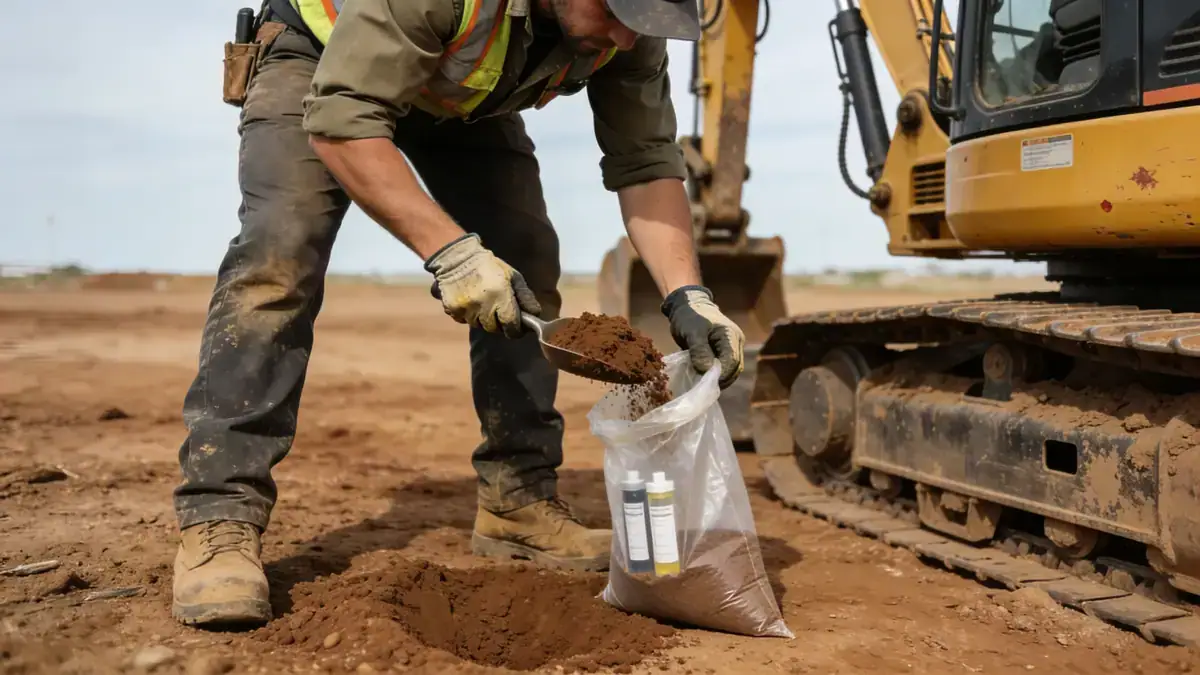
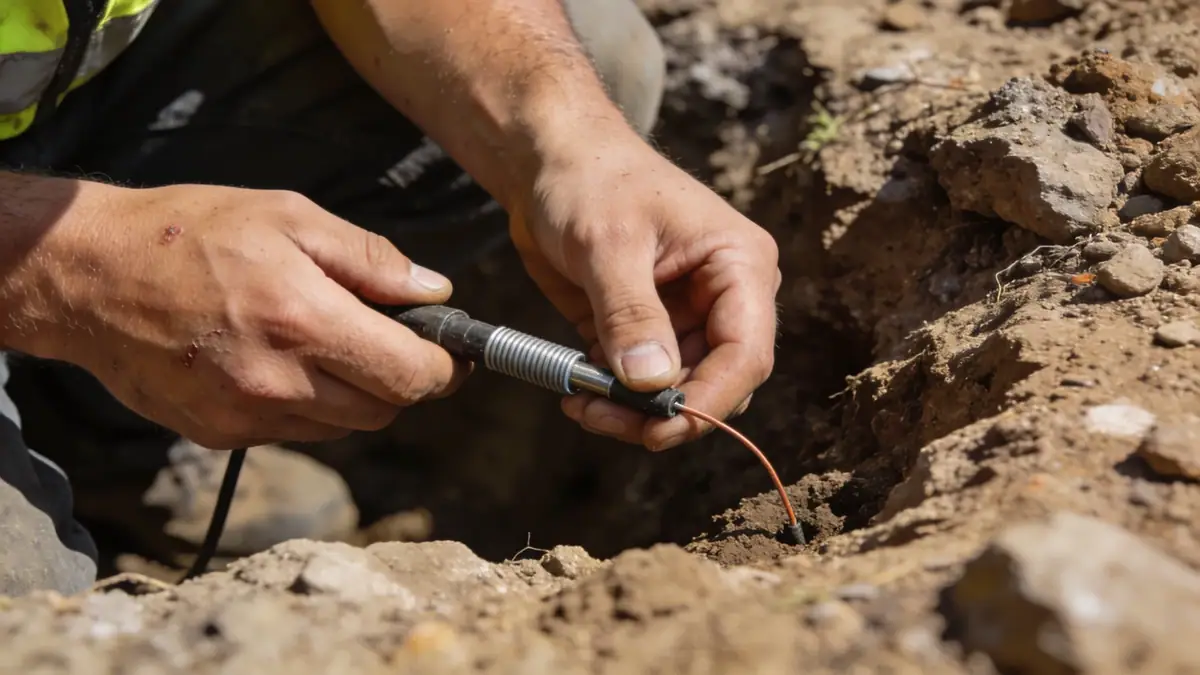
Our approach to geotechnical engineering in Melbourne integrates rigorous field investigation with advanced laboratory analysis. We prioritize comprehensive site characterization, employing methods such as spt boring to obtain disturbed and undisturbed samples, and cone penetration testing for continuous stratigraphic profiling. In our soil mechanics laboratory, we perform index properties, strength, and consolidation tests per relevant standards. This data informs our design recommendations for foundations, earthworks, and slope stability. We adhere to the Australian Standard AS 1726 for geotechnical site investigations, ensuring consistency and reliability across projects in Melbourne's diverse suburbs.
Reference Technical Parameters
| Parameter | Reference Value |
|---|---|
| Predominant soil type | Quaternary alluvium (clay, silt, sand) over Silurian mudstone/sandstone |
| Maximum seismic acceleration (PGA) | 0.08–0.12 g (AS 1170.4, 500-year return period) |
| Typical groundwater level | 2–5 m below surface (varies seasonally) |
| Bedrock depth | 5–30 m (shallower in eastern suburbs, deeper in west) |
| Typical N60 range | 4–25 (clays); 15–40 (sands); >50 (weathered rock) |
Local Considerations — Melbourne
Melbourne's geology is dominated by Quaternary alluvial deposits in the Yarra River floodplain, with stiff clay and sand layers underlain by Silurian bedrock at variable depths. Seismic hazard is moderate per AS 1170.4, with peak ground accelerations up to 0.12 g requiring careful site classification. Groundwater is typically shallow (2–5 m), impacting excavation and foundation design. Contrasting suburbs like Brighton (deep alluvium) and Doncaster (shallow rock) demand tailored approaches. Common challenges include expansive clays in the west and soft soils in the south-east, often requiring deep foundations or ground improvement. Our slope stability expertise is critical in hilly areas such as the Dandenong Ranges.
Request a Quote
Our team reviews your project and issues an initial report at no cost.
Or write us directly at [email protected]
Services in Melbourne
Locations covered in Melbourne
Applicable Standards
- AS 1726 – Geotechnical Site Investigations
- AS 1170.4 – Earthquake Actions in Australia
- AS 2870 – Residential Slabs and Footings
- ASTM D1586 – Standard Penetration Test
- Eurocode 7 – Geotechnical Design (reference)
Frequently Asked Questions
What are the common soil types found in Melbourne?
Melbourne's soils vary widely: Quaternary alluvial clays, silts, and sands dominate the inner suburbs, while Silurian mudstone and sandstone bedrock underlies eastern areas. Expansive clays are prevalent in the west, requiring careful foundation design per AS 2870.
Is seismic design mandatory for geotechnical projects in Melbourne?
Yes, AS 1170.4 requires seismic design for most structures. Melbourne is classified as moderate seismicity, with peak ground accelerations of 0.08–0.12 g. Site-specific response spectra are often needed for critical buildings, bridges, and infrastructure.
Are geotechnical investigations compulsory for new developments in Melbourne?
While not always legally mandatory, most local councils require a geotechnical report for building permits, especially for multi-story or sensitive structures. The Building Code of Australia (BCA) and AS 1726 recommend site investigations to ensure safe and economical design.