Methodology
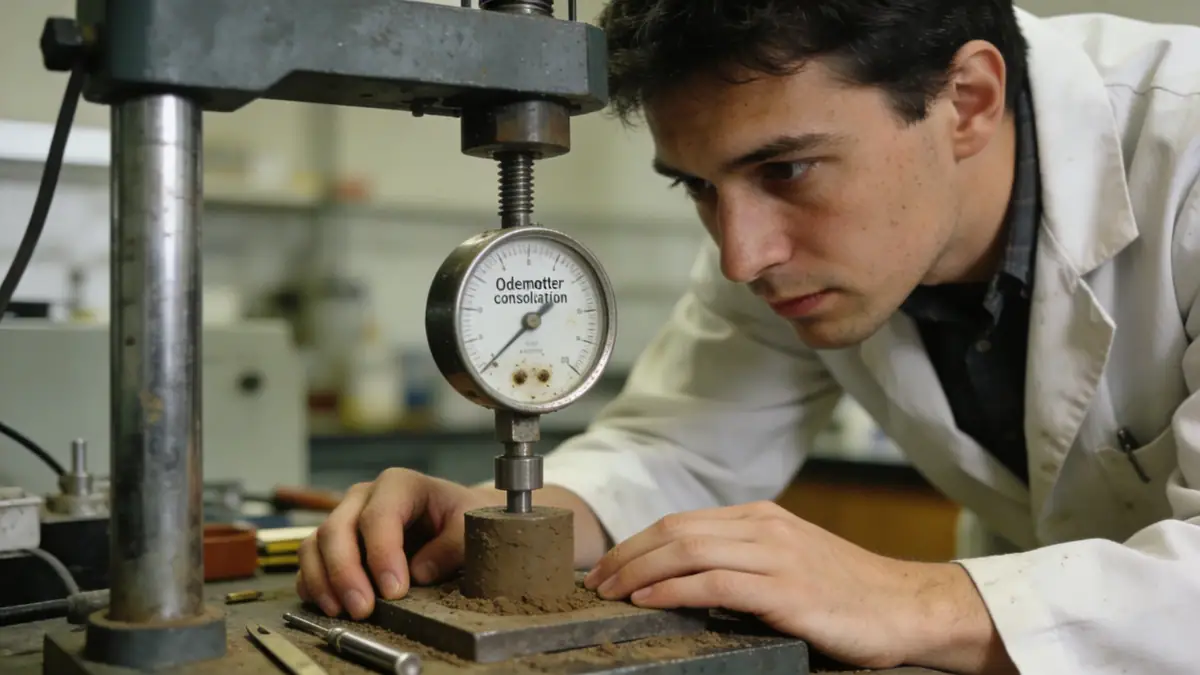
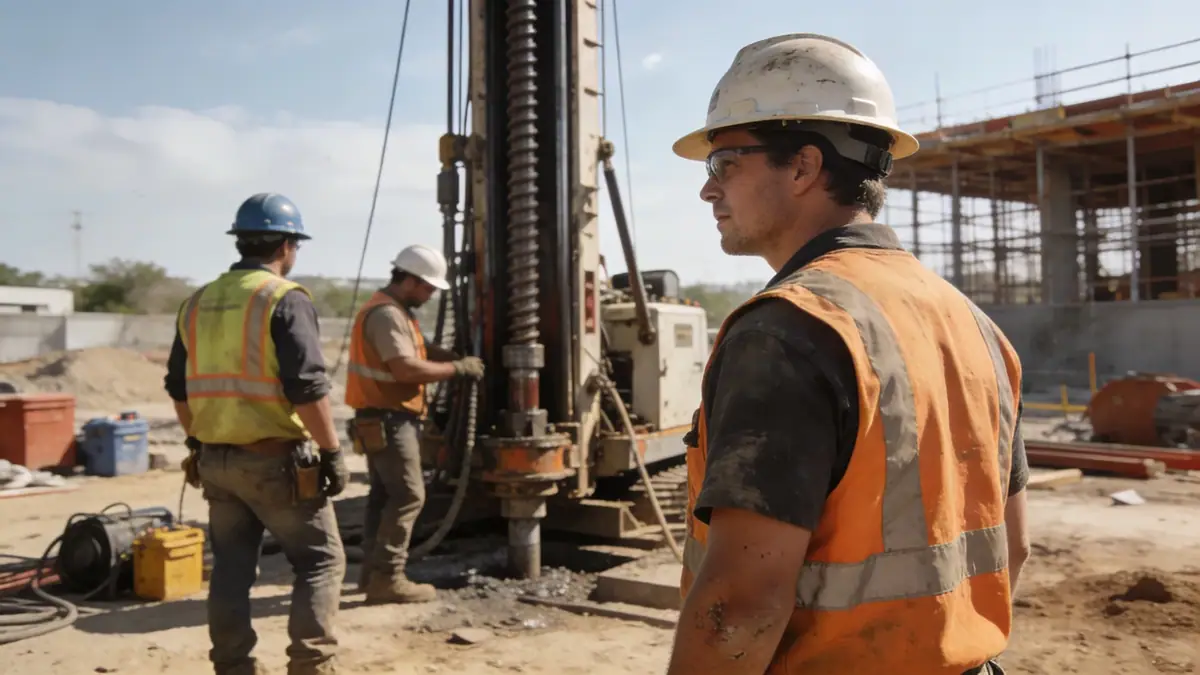
Our methodology for geotechnical engineering in Geelong begins with a comprehensive desk study of regional geology and historical data. We then conduct field investigations using techniques such as spt boring to obtain soil samples and measure penetration resistance. Laboratory testing follows, including classification, strength, and consolidation tests, all performed in our soil mechanics laboratory. Data analysis integrates local seismic parameters per AS 1170.4 and groundwater conditions to develop geotechnical models. Our approach is systematic, ensuring that design recommendations are both reliable and tailored to Geelong's specific subsurface environment.
Reference Technical Parameters
| Parameter | Reference Value |
|---|---|
| Predominant soil type | Quaternary alluvium (silty sand, clay, gravel) over Tertiary basalt |
| Maximum seismic acceleration (PGA) | 0.10 g (AS 1170.4, hazard factor Z = 0.10 for Geelong) |
| Typical groundwater level | 2–5 m below ground surface, seasonally variable |
| Bedrock depth | 10–25 m (Tertiary basalt or Silurian sandstone) |
| Typical N60 range | 8–30 blows/0.3 m (SPT, ASTM D1586) |
Local Considerations — Geelong
Geelong's geology is dominated by Quaternary alluvium overlying Tertiary basalt and Silurian sandstone. Coastal areas near Corio Bay exhibit soft marine clays, while inland suburbs like Waurn Ponds have stiff clays and basalt. Groundwater is shallow (2–5 m) in low-lying zones, requiring dewatering for excavations. Seismic hazard is moderate (PGA 0.10 g per AS 1170.4). Typical projects involve residential slabs on expansive soils or deep foundations for commercial structures. Our team integrates these factors into designs, referencing slope stability analyses for sites on the Barwon River escarpment. For broader context, see our geotechnical engineering in Melbourne hub.
Request a Quote
Our team reviews your project and issues an initial report at no cost.
Or write us directly at [email protected]
Services in Geelong
Applicable Standards
- AS 1170.4 (Earthquake actions)
- AS 2870 (Residential slabs and footings)
- AS 1726 (Geotechnical site investigations)
- ASTM D1586 (Standard penetration test)
Frequently Asked Questions
What are the typical soil types found in Geelong?
Geelong's soils vary from Quaternary alluvium (silty sands, clays, gravels) in the Barwon River valley to stiff clays and basalt in higher areas. Coastal zones have soft marine clays. These conditions require careful geotechnical assessment for foundation design.
Is a geotechnical investigation mandatory for construction in Geelong?
While not always mandatory for all projects, the Building Code of Australia (BCA) and local council regulations typically require a geotechnical report for structures in areas with reactive soils, high seismicity, or slopes. It is strongly recommended for any significant development.
What seismic design considerations apply in Geelong?
Per AS 1170.4, Geelong has a hazard factor Z = 0.10, corresponding to moderate seismicity. Site classification (based on soil profile) significantly affects design spectra. Our investigations determine the site class to ensure compliant and safe structural design.