Methodology
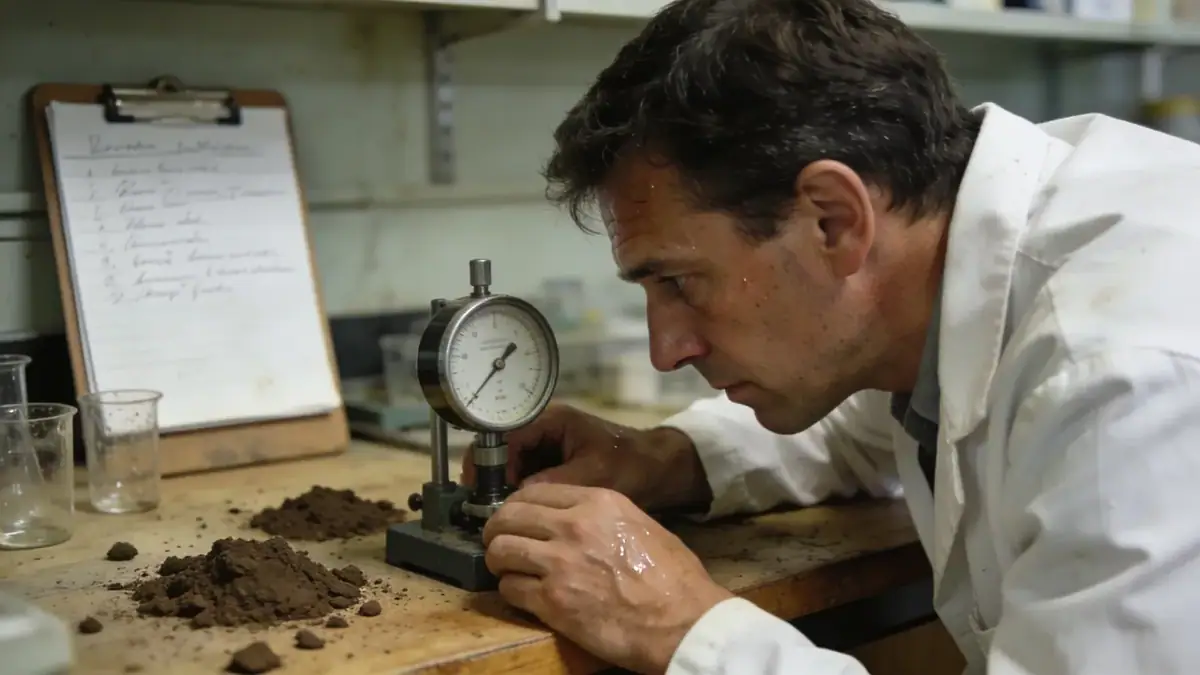
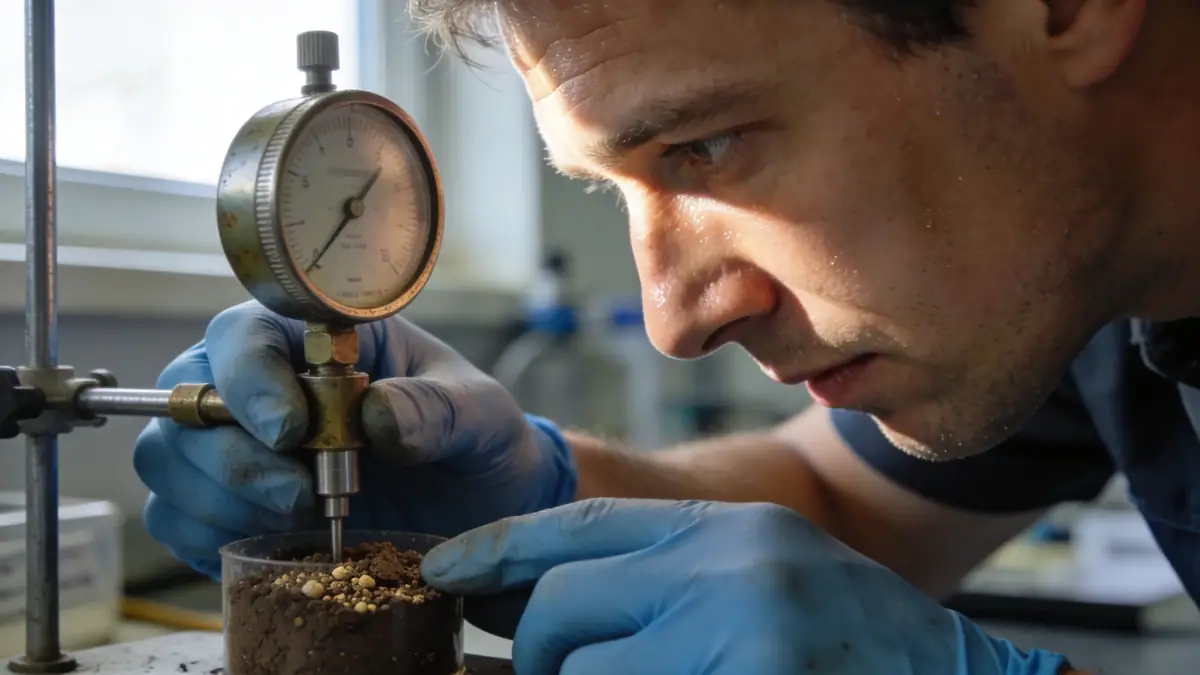
Our methodology follows ASTM D1586 for Standard Penetration Test (SPT) sample recovery and AS 1289 for classification and strength testing. Upon sample arrival, we record moisture content and perform sieve and hydrometer analyses for particle size distribution. For cohesive soils, Atterberg limits are determined to assess plasticity. Shear strength is evaluated via direct shear and triaxial compression tests, with unconfined compressive strength (UCS) measured on intact specimens—typically ranging from 50 to 400 kPa for stiff clays. Consolidation tests using oedometers simulate long-term settlement under incremental loading up to 1600 kPa. Results are compiled with geotechnical interpretation for foundation design or slope stability analysis.
Reference Technical Parameters
| Parameter | Reference Value |
|---|---|
| Moisture Content | 5–35% (oven-dry method) |
| Liquid Limit (LL) | 20–80% (Casagrande cup) |
| Plastic Limit (PL) | 10–40% (thread rolling) |
| Unconfined Compressive Strength (UCS) | 50–400 kPa (stiff clays) |
| Effective Friction Angle (φ') | 25°–40° (triaxial CU test) |
Local Considerations — Australia
Australia's diverse geology—from the expansive clays of Adelaide and Brisbane to the sandy coastal soils of Perth and the volcanic basalts of Melbourne—requires tailored laboratory testing. Our firm adapts test programs to account for regional soil behaviour: for example, shrink-swell potential in Adelaide's clay plains necessitates detailed Atterberg limits and linear shrinkage tests, while the loose sands of Brisbane's river valleys call for relative density and cyclic triaxial tests. We maintain a mobile sampling fleet and partner with local depots in Adelaide, Brisbane, and Bendigo to ensure rapid sample transport and consistent quality across all projects.
Request a Quote
Our team reviews your project and issues an initial report at no cost.
Or write us directly at [email protected]
Applicable Standards
- AS 1289 (Methods of testing soils for engineering purposes)
- ASTM D1586 (Standard Test Method for Standard Penetration Test)
- Eurocode 7 (Geotechnical design – Part 1: General rules)
- AS 1726 (Geotechnical site investigations)
Frequently Asked Questions
What is the typical turnaround time for soil mechanics laboratory tests?
Routine classification tests (moisture content, Atterberg limits, sieve analysis) are completed within 5–7 business days. Strength and consolidation tests may require 10–15 business days depending on the number of loading stages. Expedited services are available for urgent projects.
Which Australian standards govern soil mechanics laboratory testing?
The primary standard is AS 1289, which covers all common test methods. For SPT sampling, ASTM D1586 is commonly referenced. Additionally, AS 1726 provides guidelines for geotechnical site investigations, and Eurocode 7 may be adopted for design parameters on larger infrastructure projects.
How are soil samples preserved and transported to the laboratory?
Samples are sealed in airtight containers or bags to maintain in-situ moisture. Disturbed samples for classification are placed in plastic bags; undisturbed tube samples are capped and stored upright in cool, shaded conditions. Our logistics team coordinates courier pickup from any Australian capital city.
How much does soil mechanics laboratory testing cost in Australia?
The cost varies by scope: a basic classification suite (moisture, Atterberg, sieve) for a single sample ranges from $4,860 to $8,100 depending on depth, accessibility, and number of tests. Comprehensive programs with triaxial and consolidation may exceed this range. We recommend requesting a project-specific quote.