Methodology
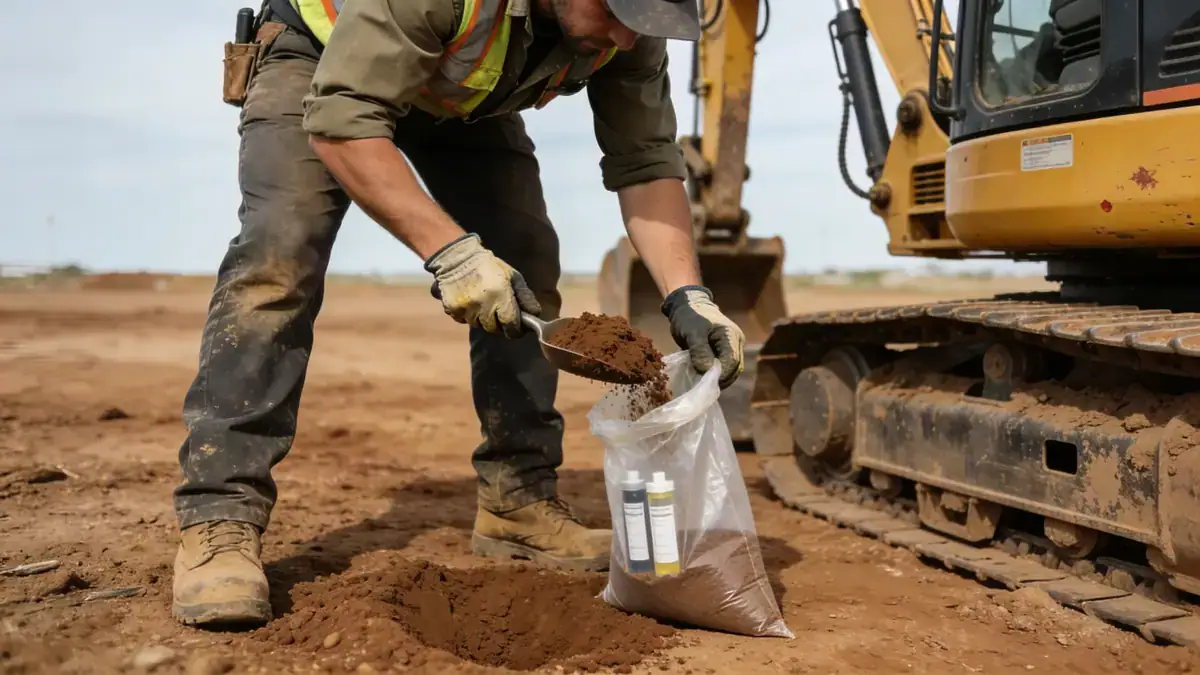
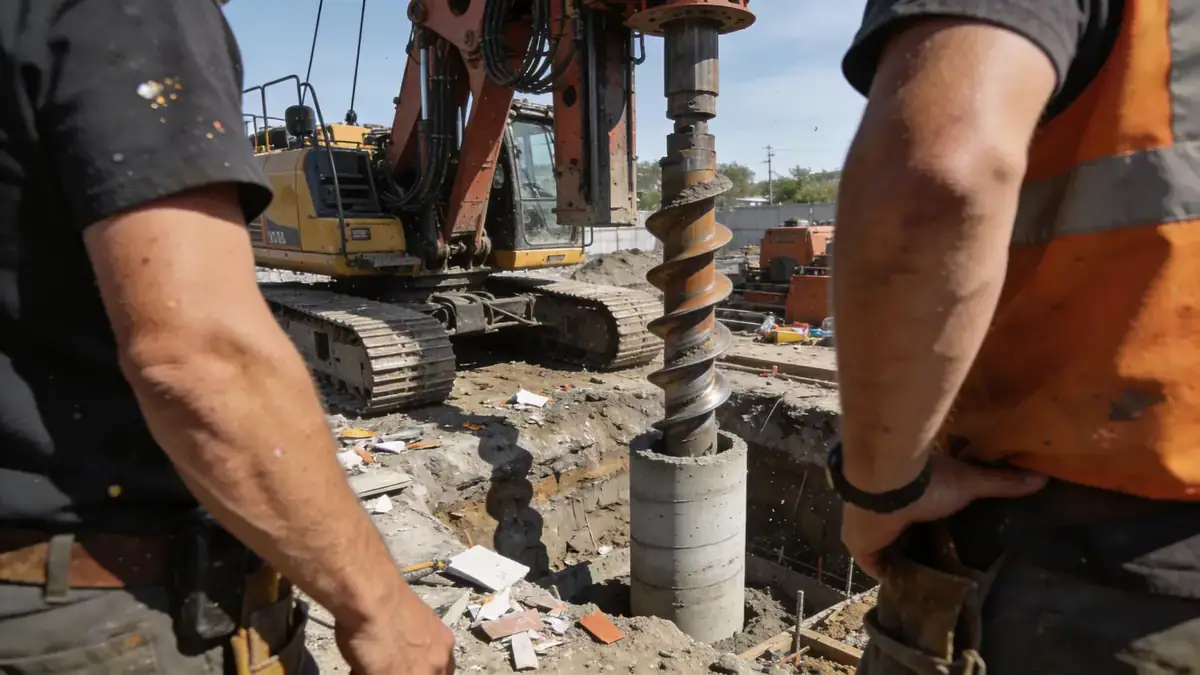
Our methodology in Bendigo follows a phased approach: initial desk study of regional geology and existing borehole data, followed by targeted field investigation using spt boring and other techniques. We conduct soil sampling and in-situ testing in accordance with AS 1726 and ASTM D1586. Laboratory testing on recovered samples includes classification, strength, and consolidation tests. We then develop a detailed geotechnical model and provide design parameters for foundations, retaining walls, and earthworks. All work is performed under the supervision of experienced geotechnical engineers.
Reference Technical Parameters
| Parameter | Reference Value |
|---|---|
| Predominant soil type | Silty sand and clay over weathered bedrock |
| Maximum seismic acceleration (PGA) | 0.08g (AS 1170.4) |
| Typical groundwater level | 2–5 m depth, variable seasonally |
| Bedrock depth | 1–10 m, shallow in central Bendigo |
| Typical N60 range | 10–30 in soils, >50 in weathered rock |
Local Considerations — Bendigo
Bendigo's geology is dominated by the Bendigo Zone of the Lachlan Fold Belt, with Ordovician metasediments overlain by Quaternary alluvium in the valley floors. The central business district often has shallow rock, while northern suburbs like Epsom and Strathfieldsaye have deeper soils. Seismic hazard is moderate, with a peak ground acceleration of 0.08g per AS 1170.4. Typical projects involve residential subdivisions and commercial developments, requiring careful consideration of reactive clay behaviour and groundwater fluctuations. Our soil mechanics laboratory provides local testing to characterise these conditions. For broader regional context, see our geotechnical engineering in Melbourne page.
Request a Quote
Our team reviews your project and issues an initial report at no cost.
Or write us directly at [email protected]
Services in Bendigo
Applicable Standards
- AS 1170.4
- AS 1726
- AS 2870
- ASTM D1586
- Eurocode 7 (reference)
Frequently Asked Questions
What soil types are common in Bendigo?
Bendigo typically has silty sands and clays overlying weathered Ordovician metasediments. The depth to bedrock varies, with shallow rock in the city centre and deeper alluvial soils in surrounding suburbs. Reactive clays are also present, requiring attention for foundation design.
Is a geotechnical investigation required for building in Bendigo?
While not always mandatory for all structures, most new buildings and significant extensions in Bendigo require a geotechnical investigation under the National Construction Code and local council requirements. It is essential for designing safe and economical foundations, especially in areas with reactive soils or variable bedrock depth.
What seismic design considerations apply in Bendigo?
Bendigo is in Seismic Zone 2 according to AS 1170.4, with a peak ground acceleration of 0.08g. This requires consideration of site soil class and potential liquefaction in loose saturated sands. Our investigations provide the necessary soil parameters for seismic design, including shear wave velocity and cyclic strength.