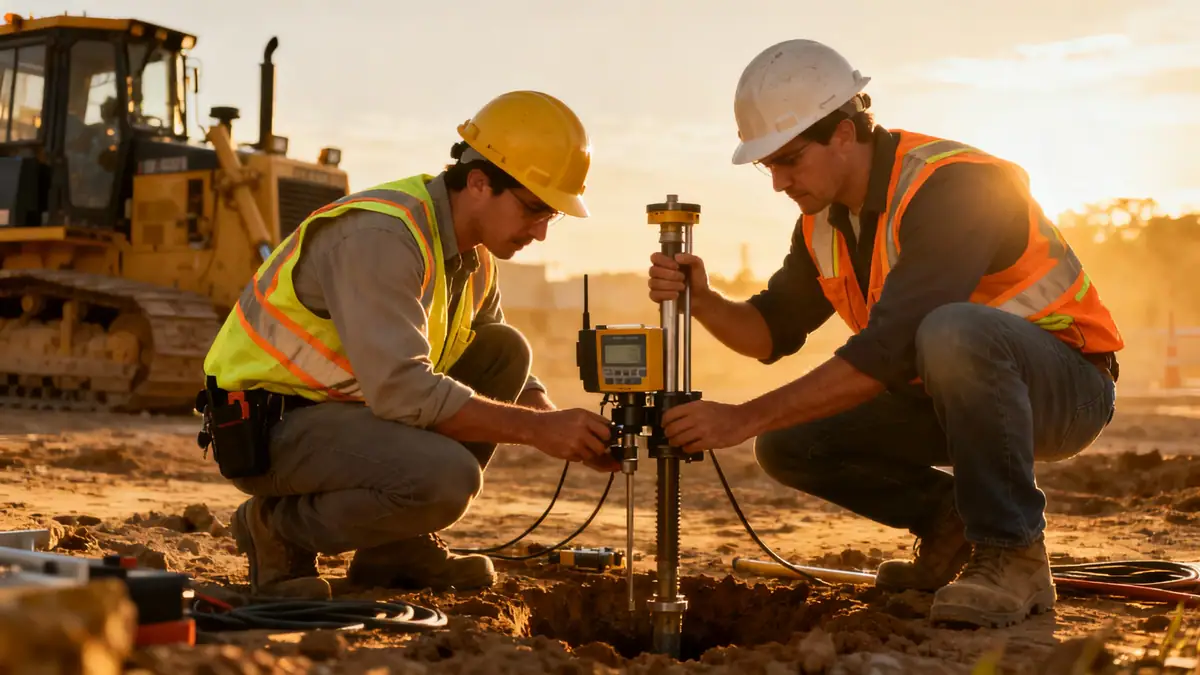
Methodology
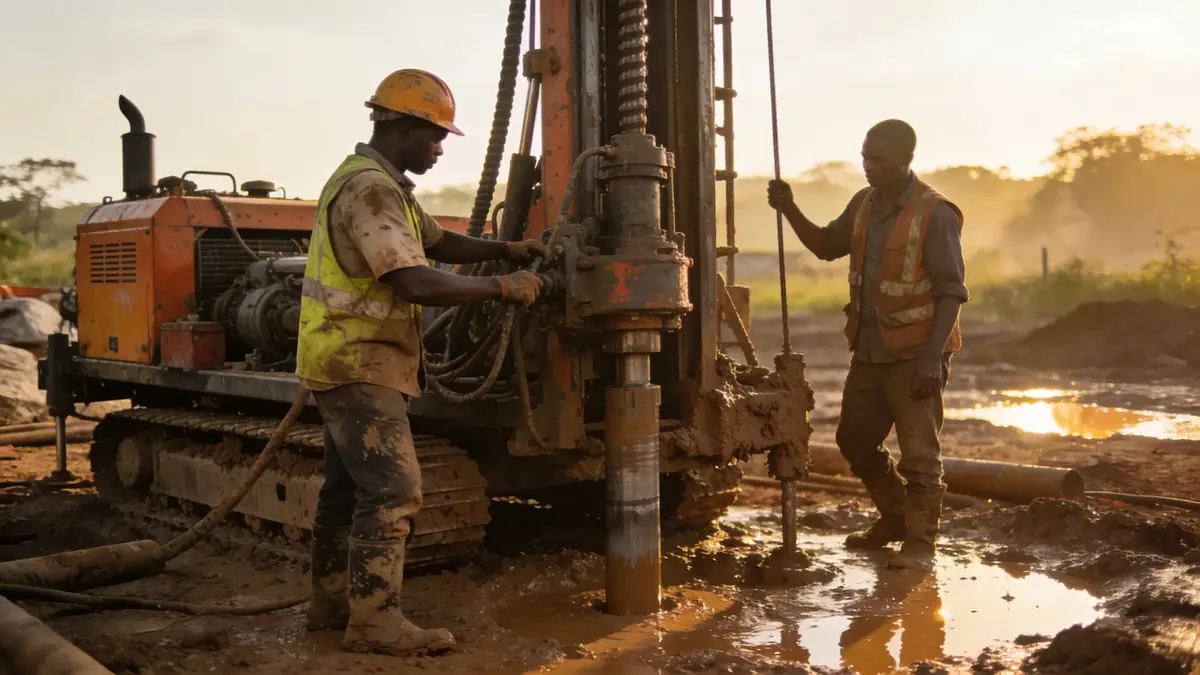
Our SPT boring methodology follows AS 1289.6.3.1-2004, using a 63.5 kg hammer dropped 760 mm to drive a split-spoon sampler. The blow count (N-value) is recorded over three 150 mm intervals, with the sum of the last two increments reported. Boreholes are advanced using truck- or track-mounted hydraulic rigs capable of depths exceeding 30 m. Standard equipment includes AW or NW drill rods, a trip hammer (automatic or safety), and a 50 mm split-spoon sampler. Field data are recorded in real-time, with soil samples retained for laboratory classification. For advanced analysis, our Soil Mechanics Laboratory provides complementary testing. We maintain strict quality control, calibrating hammers and energy efficiency annually to ensure N-value reproducibility within ±15%.
Reference Technical Parameters
| Parameter | Reference Value |
|---|---|
| Hammer Weight | 63.5 kg |
| Drop Height | 760 mm |
| Sampler Dimensions | 50 mm OD, 35 mm ID |
| Blow Count Interval | 150 mm (3 intervals) |
| Maximum Depth | 30 m (standard rig) |
Local Considerations — Australia
Australia's varied geology—from the soft alluvial deposits of Brisbane and the Gold Coast to the stiff clays of Melbourne and Adelaide—requires adaptable SPT boring protocols. In seismic zones such as Perth and Sydney, N-values inform liquefaction assessments per AS 1170.4. Our team adjusts drilling methods to local conditions: using casing in collapsed soils or rotary mud in granular formations. For projects in Ballarat and Bendigo, where basalt and weathered rock are common, we employ heavier rigs and extended sampling intervals. This regional flexibility ensures reliable data across all 32 cities we serve, including Darwin, Hobart, and Townsville. For more on our approach in specific areas, see our Adelaide page.
Request a Quote
Our team reviews your project and issues an initial report at no cost.
Or write us directly at [email protected]
Applicable Standards
- AS 1289.6.3.1-2004: Soil strength and consolidation tests – Determination of the penetration resistance of a soil – Standard penetration test (SPT)
- AS 1170.4-2007: Structural design actions – Earthquake actions (seismic site classification using SPT N-values)
- AS 1726-2017: Geotechnical site investigations (guidance on SPT borehole spacing and sampling)
Frequently Asked Questions
What is the typical depth range for SPT boring in Australian projects?
Standard SPT boreholes extend to depths of 10–30 m, depending on project requirements. For high-rise foundations in cities like Sydney or Melbourne, depths of 20–30 m are common. Shallow investigations for residential slabs may only require 5–10 m. Our rigs can reach up to 30 m with standard equipment.
How does AS 1289.6.3.1 differ from ASTM D1586 for SPT?
AS 1289.6.3.1 specifies a 63.5 kg hammer with a 760 mm drop, identical to ASTM D1586, but requires automatic or safety hammers for energy standardization. The Australian standard also mandates a 50 mm split-spoon sampler and reporting the N-value as the sum of blows for the last two 150 mm increments.
What is the turnaround time for SPT boring results?
Preliminary field data (N-values and soil descriptions) are provided within 24–48 hours of completion. Final borehole logs, including laboratory test results, typically take 5–10 business days, depending on sample volume and project complexity.
How much does SPT Boring cost in Australia?
The cost for SPT boring in Australia ranges from $840 to $1,170 per borehole (2026 reference), depending on depth, site accessibility, and number of tests. Additional charges apply for mobilization, casing, or laboratory testing. For an exact quote tailored to your project, please contact our team.