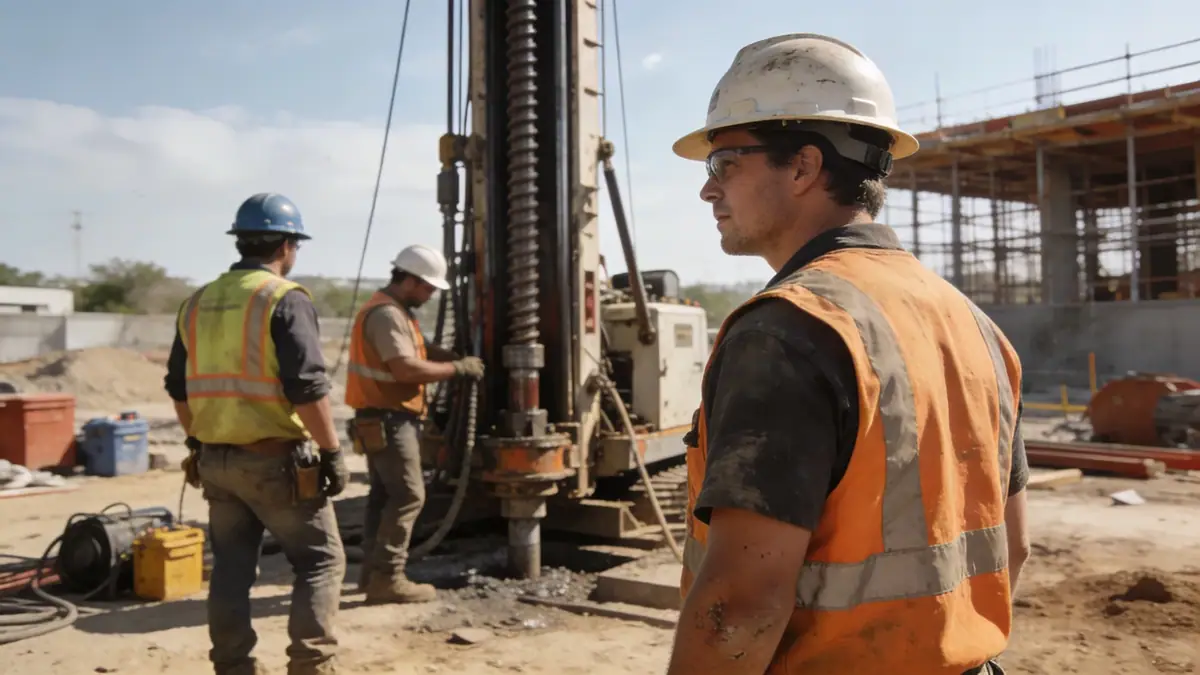
Methodology
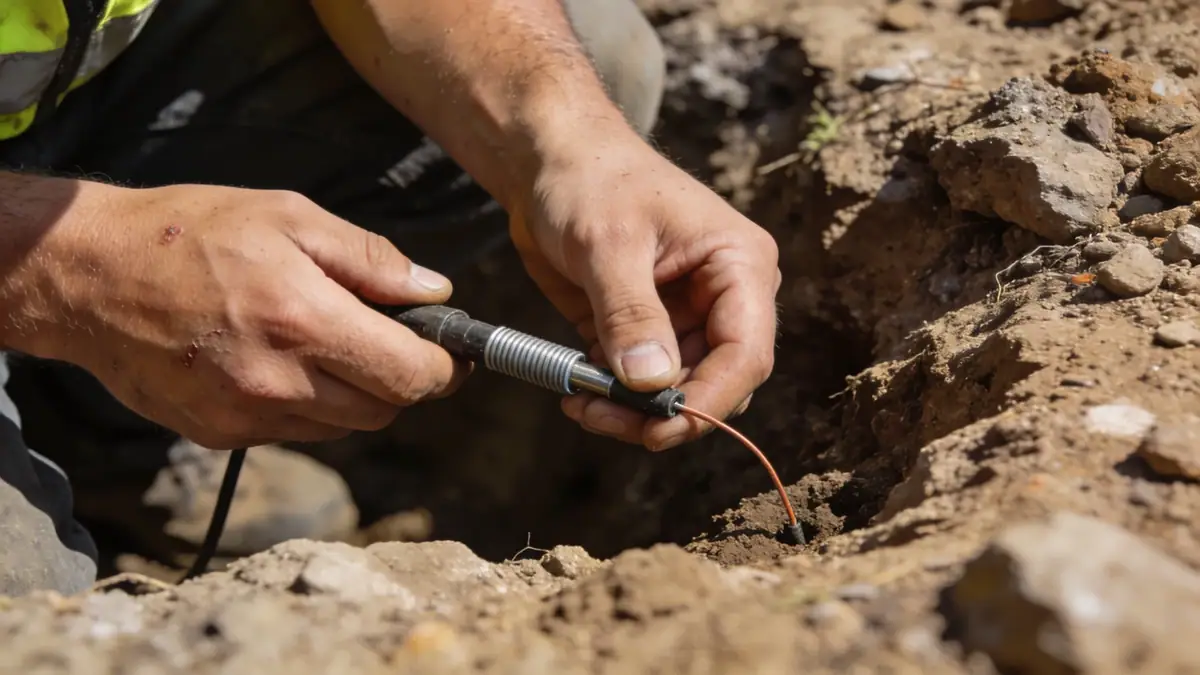
Our methodology for geotechnical engineering in Ballarat follows a systematic approach. We begin with a desk study of existing geological maps and borehole records. Field investigations include standard penetration tests (SPT) per ASTM D1586 and undisturbed sampling for laboratory analysis. In our soil mechanics laboratory, we classify soils, measure shear strength, and assess consolidation characteristics. This data informs our foundation recommendations and slope stability evaluations. Our process ensures robust designs tailored to Ballarat's ground conditions.
Reference Technical Parameters
| Parameter | Reference Value |
|---|---|
| Predominant soil type | Stiff clay and basalt |
| Maximum seismic acceleration (PGA) | 0.08g (AS 1170.4) |
| Typical groundwater level | 3–8 m below ground surface |
| Bedrock depth | 5–15 m |
| Typical N60 range | 15–50 blows/300 mm |
Local Considerations — Ballarat
Ballarat's geology is dominated by Quaternary alluvium overlying Silurian sedimentary rock and Tertiary basalt. The region is classified as Seismic Zone 1 (AS 1170.4) with low seismicity. Groundwater levels vary seasonally, often encountered at depths of 3–8 m. Northern suburbs like Wendouree have deeper basalt, while southern areas show stiff clay. Typical challenges include reactive clay shrinkage and swelling. Our team coordinates with the geotechnical engineering en Melbourne hub to leverage broader expertise for complex projects.
Request a Quote
Our team reviews your project and issues an initial report at no cost.
Or write us directly at [email protected]
Services in Ballarat
Applicable Standards
- AS 1170.4 (Seismic actions)
- AS 2870 (Residential slabs and footings)
- AS 1726 (Geotechnical site investigations)
- ASTM D1586 (Standard Penetration Test)
Frequently Asked Questions
What are the typical soil conditions in Ballarat?
Ballarat's soils are predominantly stiff clays and silts overlying basalt or sedimentary bedrock. The region also contains alluvial deposits along creeks. Expansive clay behavior is common, requiring careful foundation design per AS 2870.
Is a geotechnical study mandatory for building in Ballarat?
While not always mandatory for all structures, most local councils require a geotechnical investigation for new buildings, especially in areas with reactive soils or sloping terrain. It is essential for ensuring compliance with the National Construction Code.
What seismic design considerations apply in Ballarat?
Ballarat is in Seismic Zone 1 per AS 1170.4, with a peak ground acceleration of 0.08g. Although seismicity is low, site-specific soil classification is required to determine the site subsoil class (A–E) and design spectrum.