Methodology
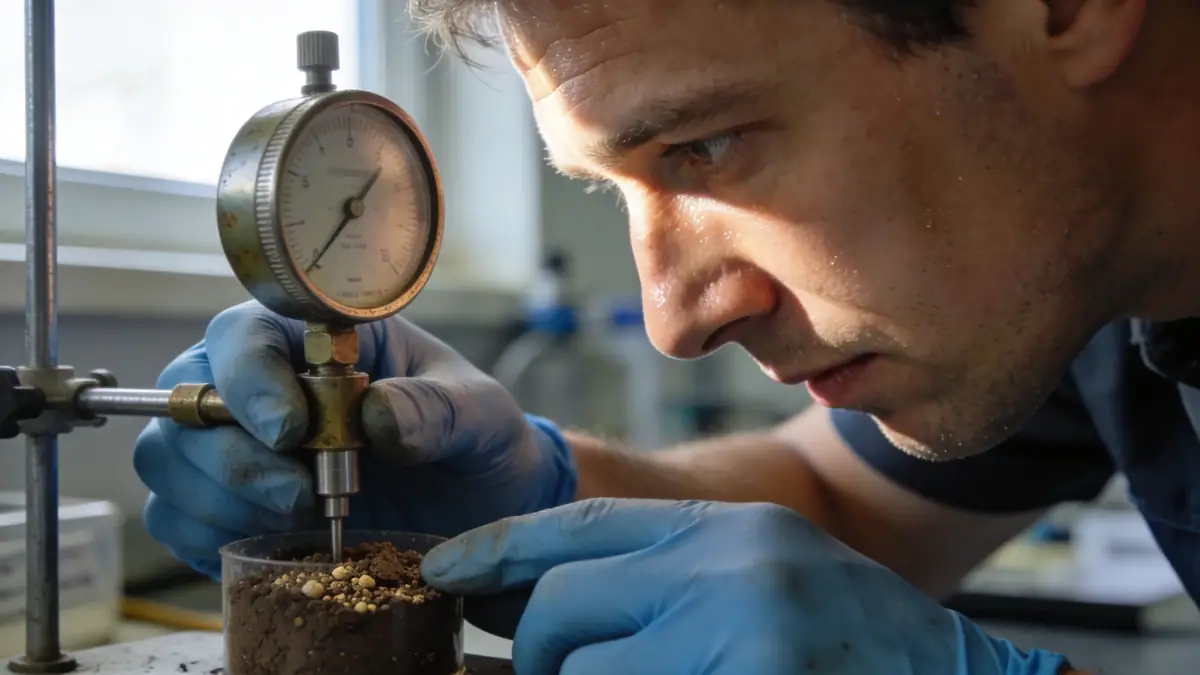
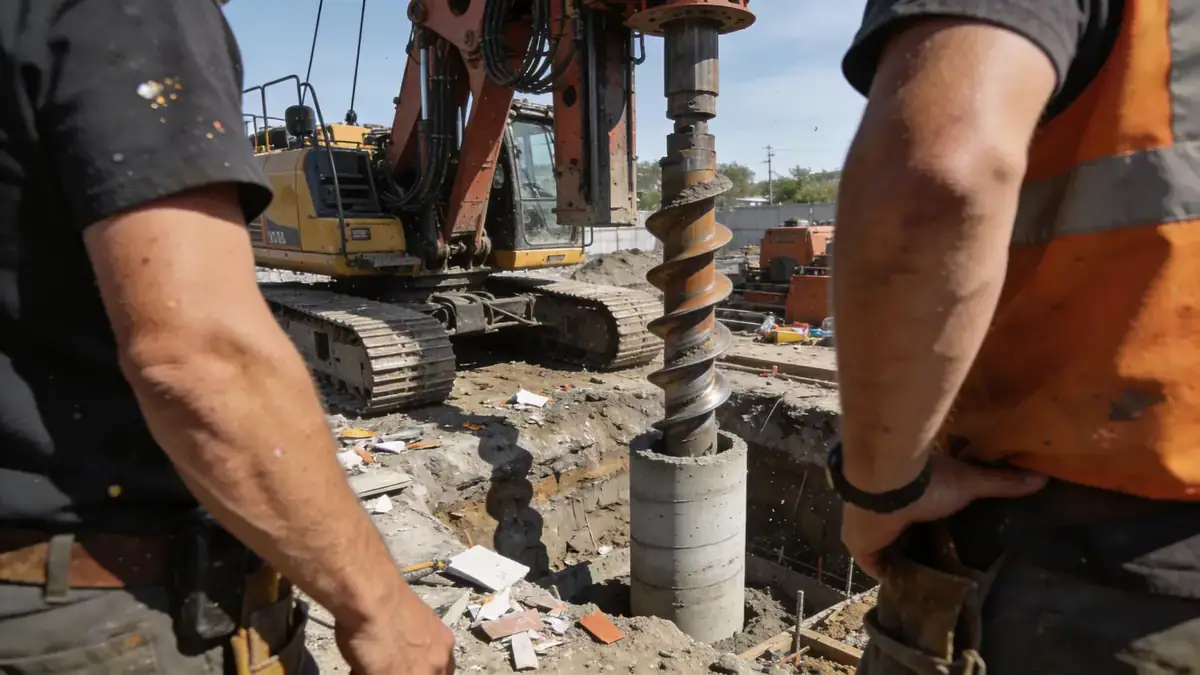
Our methodology for geotechnical engineering in Shepparton begins with a detailed desk study of existing geological maps and borehole records. We then conduct field investigations including spt boring to measure soil resistance and retrieve samples at regular intervals. In our soil mechanics laboratory, we perform classification tests such as particle size distribution (ASTM D6913) and Atterberg limits to characterise soil behaviour. For projects requiring slope stability or retaining wall design, we integrate these results with numerical modelling. All work follows Australian Standard AS 1726 for site investigation, ensuring consistent and reliable outcomes for our clients.
Reference Technical Parameters
| Parameter | Reference Value |
|---|---|
| Predominant soil type | Clay and silty clay over sand and gravel |
| Maximum seismic acceleration (PGA) | 0.08g (AS 1170.4) |
| Typical groundwater level | 2-5 m below ground surface |
| Bedrock depth | >30 m (deep alluvial basin) |
| Typical N60 range | 5-15 (clay), 20-40 (sand/gravel) |
Local Considerations — Shepparton
Shepparton lies within the Goulburn Valley, underlain by Quaternary alluvial deposits. Soils typically consist of soft to firm clays overlying sands and gravels. Groundwater is shallow, often within 2-5 m, requiring dewatering considerations for excavations. Seismic hazard is low (PGA 0.08g per AS 1170.4), but liquefaction potential in loose saturated sands must be assessed. Our team has extensive experience with these conditions and provides tailored geotechnical engineering en Melbourne services, including soil mechanics laboratory testing for local projects. We also advise on expansive soil risks, common in the region's clay deposits.
Request a Quote
Our team reviews your project and issues an initial report at no cost.
Or write us directly at [email protected]
Services in Shepparton
Applicable Standards
- AS 1170.4 (Earthquake actions)
- AS 1726 (Geotechnical site investigations)
- AS 2870 (Residential slabs and footings)
- ASTM D1586 (Standard Penetration Test)
Frequently Asked Questions
What soil types are common in Shepparton?
Shepparton's soils are predominantly alluvial clays and silty clays, underlain by sands and gravels. These deposits can be highly variable, with changes in consistency and moisture content over short distances. Expansive clays are also present, requiring careful foundation design.
Is a geotechnical investigation required for building in Shepparton?
Yes, the National Construction Code (NCC) and local councils typically require a geotechnical report for new buildings, especially for slab-on-ground foundations. The report must classify the site per AS 2870 and assess soil reactivity and bearing capacity.
Does Shepparton have seismic design requirements?
Yes, per AS 1170.4, Shepparton falls in seismic zone 0 with a peak ground acceleration of 0.08g. While low, structures must still meet minimum detailing requirements, and site-specific soil effects (e.g., liquefaction) must be considered in the geotechnical assessment.