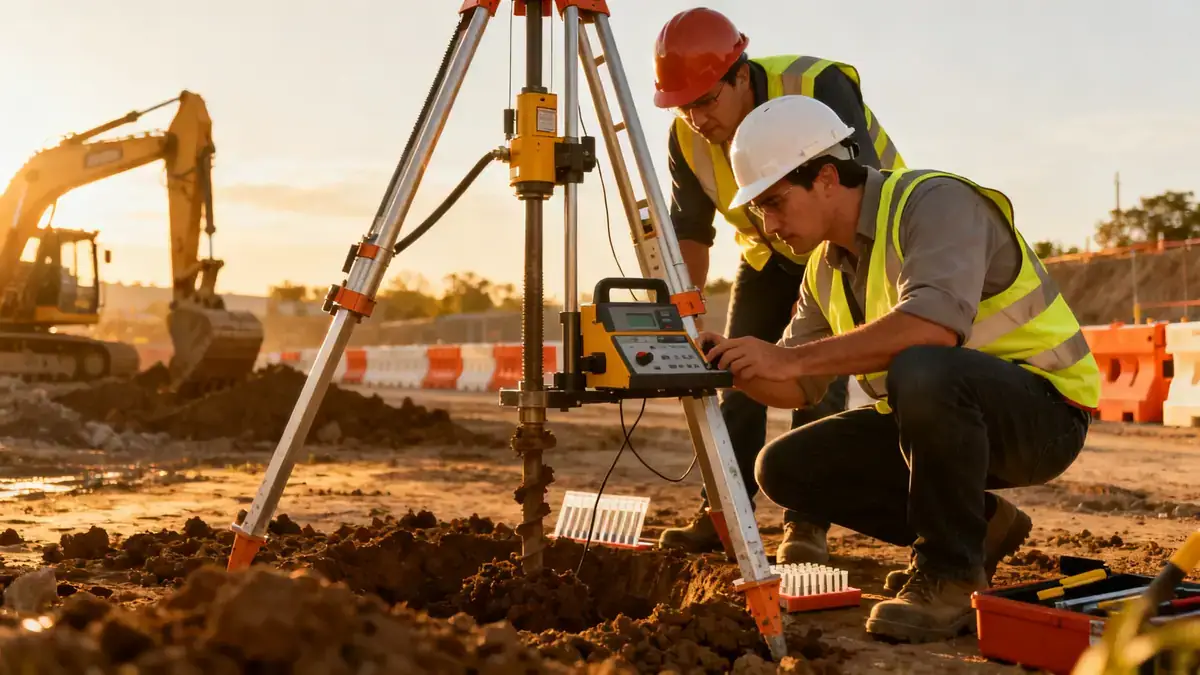
Methodology
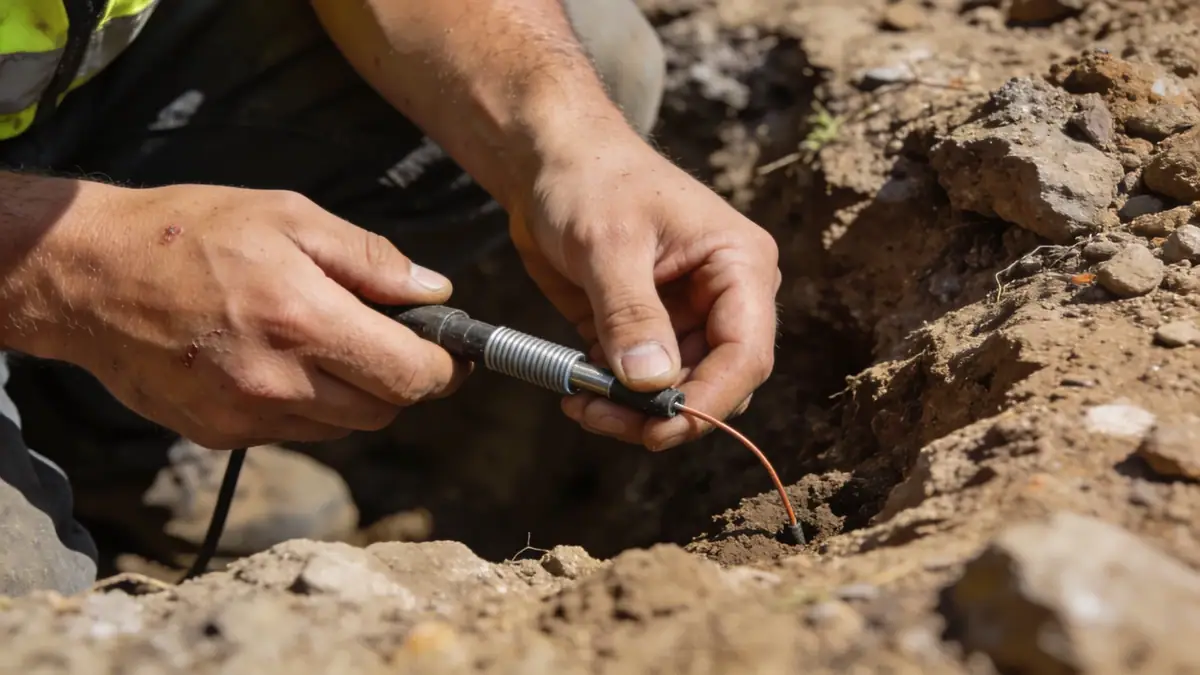
Our firm employs a rigorous, multi-phase approach to geotechnical engineering in Wagga Wagga, tailored to the region's geological complexity. We begin with a thorough desk study of existing borehole data and geological maps, followed by field investigations that may include spt boring to obtain soil samples and measure penetration resistance. In the laboratory, we conduct index and strength tests per Australian Standards, such as AS 1289 for soil classification. Our methodology integrates these results into a comprehensive geotechnical model, addressing bearing capacity, settlement, and seismic site classification as per AS 1170.4. This systematic process ensures robust recommendations for foundation design and earthworks.
Reference Technical Parameters
| Parameter | Reference Value |
|---|---|
| Predominant soil type | Clay and silty clay (CH, CI) over alluvium |
| Typical groundwater depth | 2–6 m below ground surface, seasonally variable |
| Maximum seismic acceleration (PGA) | 0.08–0.12 g (AS 1170.4, hazard factor Z = 0.08) |
| Bedrock depth | 15–30 m (sedimentary rock, variable) |
| Typical N60 range (SPT) | 4–12 blows/300 mm in clay; 15–30 in dense sands |
Local Considerations — Wagga Wagga
Wagga Wagga's geotechnical landscape is shaped by the Murrumbidgee River floodplain and underlying Narrandera Group sediments. Key considerations include: (1) expansive clay soils requiring AS 2870 classification and reactive site assessments; (2) shallow groundwater posing construction challenges for excavations and basements; (3) low to moderate seismicity per AS 1170.4, with site class D (deep soil sites) common; (4) contrasting conditions between the city center (older alluvium) and newer suburbs (fill or residual soils); (5) typical projects include residential subdivisions, commercial buildings, and roadworks where slope stability is a concern. Our understanding of these factors underpins reliable engineering solutions. For broader regional context, our geotechnical engineering in Canberra team provides integrated support across southeastern Australia.
Request a Quote
Our team reviews your project and issues an initial report at no cost.
Or write us directly at [email protected]
Services in Wagga Wagga
Applicable Standards
- AS 1170.4 – Earthquake actions
- AS 2870 – Residential slabs and footings
- AS 1289 – Soil testing methods
- AS 1726 – Geotechnical site investigations
- ASTM D1586 – Standard test for SPT (for reference)
Frequently Asked Questions
What are the typical soil conditions in Wagga Wagga?
Soils in Wagga Wagga are predominantly alluvial clays and silty clays, often with high plasticity and reactivity. These expansive clays can cause foundation movement if not properly assessed. Deeper deposits may include dense sands and gravels over sedimentary bedrock at depths of 15–30 m.
Is seismic design required for buildings in Wagga Wagga?
Yes, per AS 1170.4, Wagga Wagga has a hazard factor Z = 0.08, corresponding to low seismicity. However, site-specific seismic site classification (A to E) is mandatory for important structures. Deep soil sites (class D) are common, requiring dynamic analysis for certain building types.
When is a geotechnical investigation compulsory in Wagga Wagga?
Geotechnical investigations are typically required for all new residential slabs (per AS 2870) and for commercial or industrial developments under the National Construction Code. Local council development controls may also mandate site-specific assessments for reactive soils or fill areas.