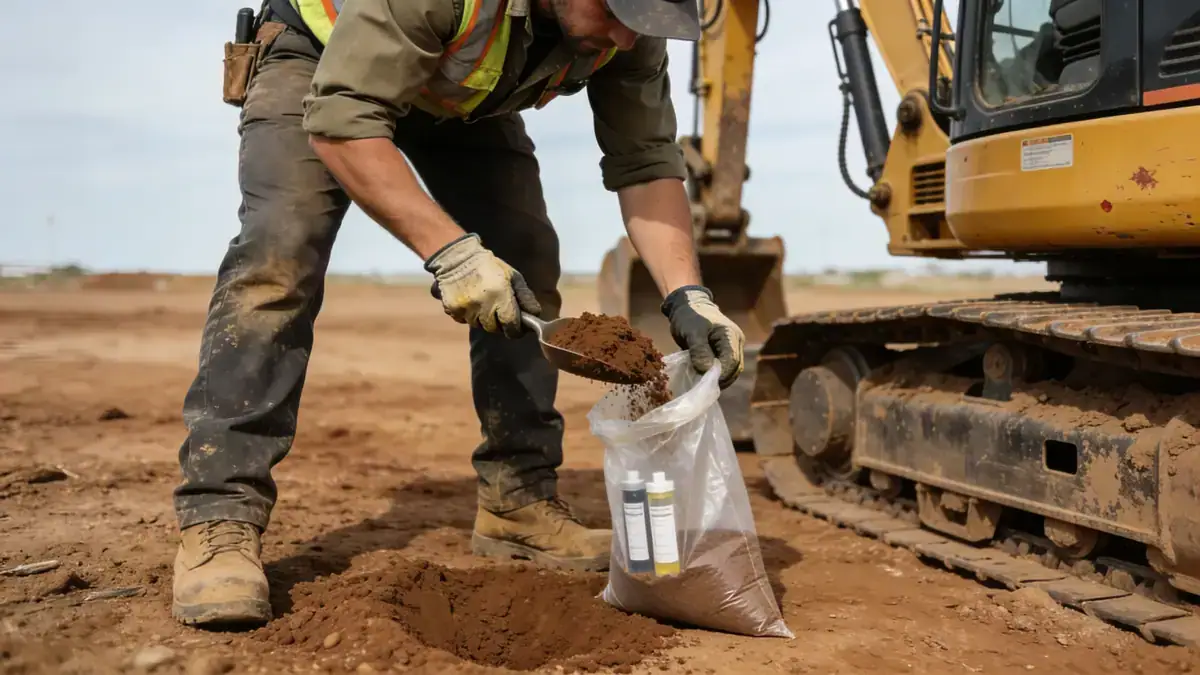
Methodology
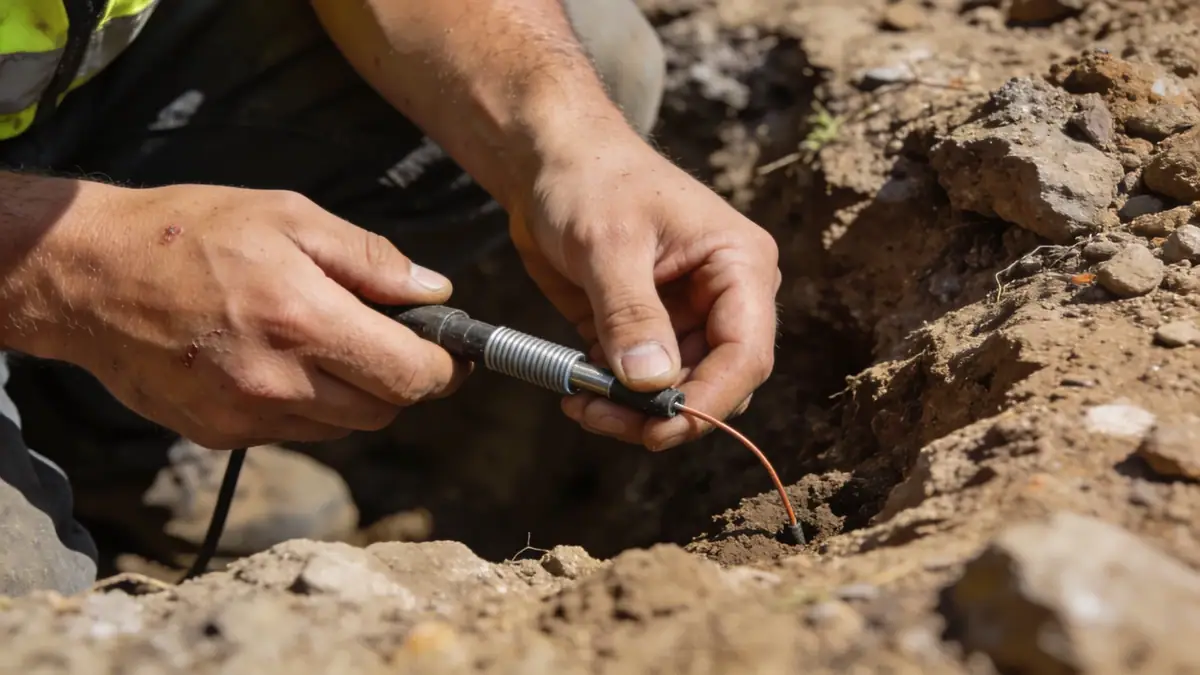
Our methodology for geotechnical engineering in Bunbury begins with a comprehensive site investigation, including spt boring to assess subsurface stratification and soil strength. We integrate field data with laboratory testing to determine engineering properties such as density, moisture content, and shear strength. Using this data, we develop site-specific recommendations for foundation design, slope stability, and earthworks. Our approach adheres to Australian Standards, including AS 1726 for geotechnical site investigations, ensuring reliable results for projects of all scales.
Reference Technical Parameters
| Parameter | Reference Value |
|---|---|
| Predominant soil type | Sand and silty sand over clay |
| Maximum seismic acceleration (PGA) | 0.10g (AS 1170.4) |
| Typical groundwater level | 1.5–3.0 m below ground surface |
| Bedrock depth | 10–25 m (variable) |
| Typical N60 range | 5–30 blows/300mm |
Local Considerations — Bunbury
Bunbury's geology is dominated by Quaternary coastal sands and estuarine deposits, with underlying Tamala Limestone and Leederville Formation. The water table is shallow in low-lying areas, requiring dewatering or drainage solutions. Seismic hazard is moderate, with peak ground acceleration of 0.10g per AS 1170.4. The city's expansion into hilly suburbs like College Grove and Withers presents slope stability challenges, while coastal areas require consideration of acid sulfate soils. Typical projects include residential subdivisions, commercial developments, and port infrastructure. For broader regional context, we coordinate with our geotechnical engineering en Perth team for complex projects.
Request a Quote
Our team reviews your project and issues an initial report at no cost.
Or write us directly at [email protected]
Services in Bunbury
Applicable Standards
- AS 1726 – Geotechnical site investigations
- AS 1170.4 – Earthquake actions
- AS 4678 – Earth retaining structures
- ASTM D1586 – Standard Penetration Test
Frequently Asked Questions
What are the typical soil conditions in Bunbury?
Bunbury's soil profile generally consists of coastal sands and silty sands overlying clay and limestone. Groundwater levels are shallow near the coast, and the area is classified as moderate seismic risk. A geotechnical investigation is recommended to determine site-specific conditions.
Is a geotechnical study mandatory for building in Bunbury?
While not always mandatory for minor structures, local councils require geotechnical reports for most developments, especially in areas with reactive soils, slopes, or high water tables. Compliance with AS 1726 and AS 2870 is strongly advised.
How does seismic design apply to Bunbury?
Bunbury falls under AS 1170.4 with a peak ground acceleration of 0.10g. This requires structures to be designed for earthquake loads, with geotechnical input to assess site amplification and liquefaction potential in sandy soils.