Methodology
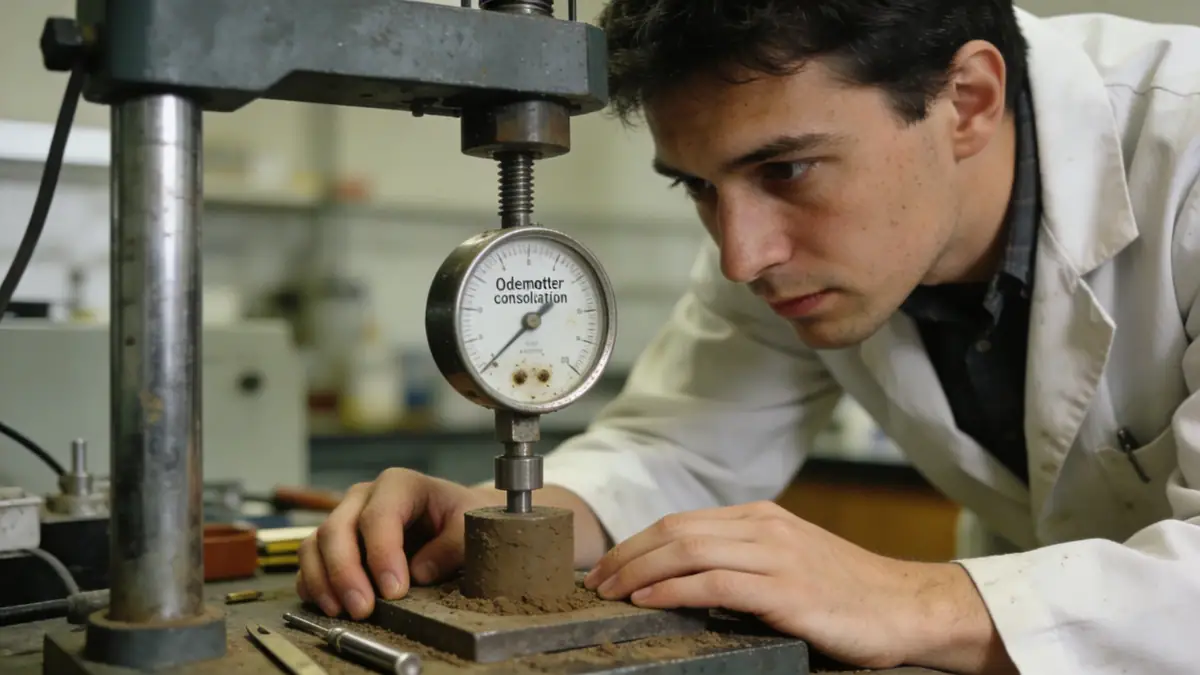
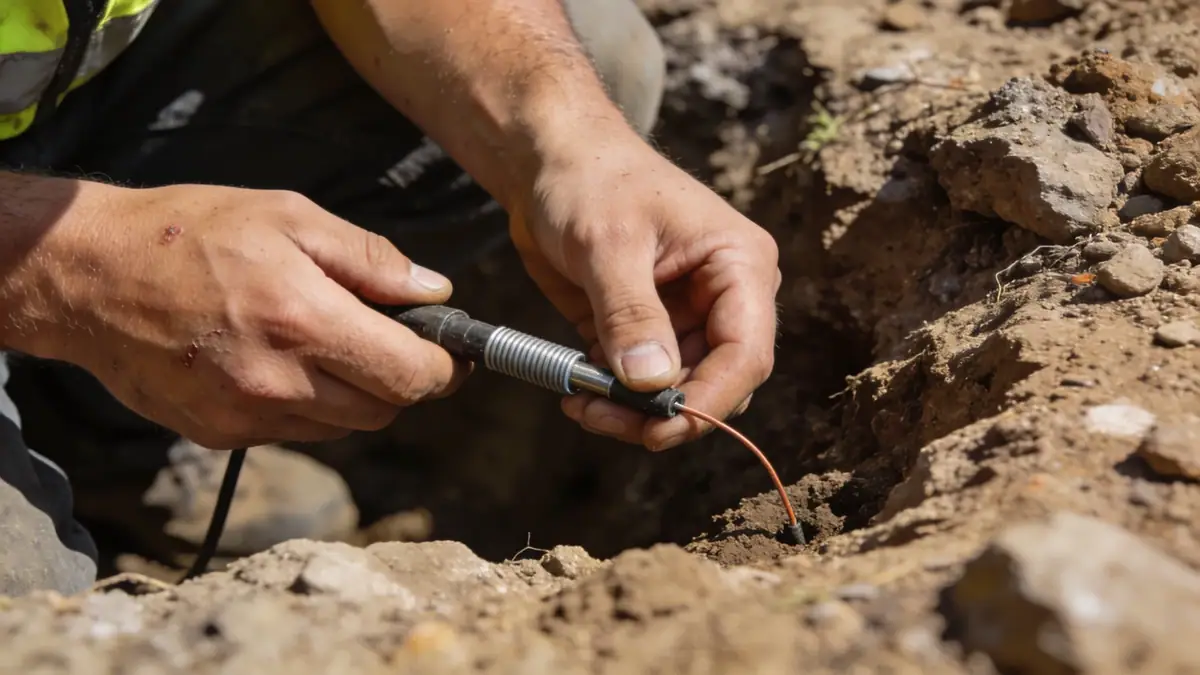
Our methodology for projects in Central Coast Nsw follows a systematic approach: we begin with a detailed desk study of local geology and existing borehole records, then conduct field investigations including spt boring to characterize subsurface conditions. Laboratory testing on recovered samples determines strength, compressibility, and permeability parameters. We integrate these data with site-specific seismic hazard analysis per AS 1170.4 and groundwater monitoring to develop robust geotechnical models. Our team then provides foundation recommendations, slope stability assessments, and earthworks specifications aligned with local practice and Australian standards.
Reference Technical Parameters
| Parameter | Reference Value |
|---|---|
| Predominant soil type | Hawkesbury Sandstone (sandstone, shale, siltstone) |
| Maximum seismic acceleration (PGA) | 0.08g to 0.12g (AS 1170.4) |
| Typical groundwater level | 2 m to 8 m below ground surface |
| Bedrock depth | 1 m to 15 m (variable) |
| Typical N60 range | 8 to 50 blows/300mm (sandstone) |
Local Considerations — Central Coast Nsw
Central Coast Nsw is characterized by its coastal setting and dissected plateaus. The predominant Hawkesbury Sandstone forms steep slopes along the escarpment, requiring careful slope stability analysis for cut and fill works. Alluvial deposits in valleys and coastal plains present soft clays and loose sands, often with high groundwater levels. Seismic design follows AS 1170.4 with PGA up to 0.12g. Our team has addressed challenges such as reactive clay sites near Gosford and fill settlements in the northern suburbs. For broader context, see our geotechnical engineering en Sydney page.
Request a Quote
Our team reviews your project and issues an initial report at no cost.
Or write us directly at [email protected]
Services in Central Coast Nsw
Applicable Standards
- AS 1170.4 (Seismic actions)
- AS 1726 (Geotechnical site investigations)
- AS 4678 (Earth retaining structures)
- AS 2870 (Residential slabs and footings)
- ASTM D1586 (Standard penetration test)
Frequently Asked Questions
What are the typical soil conditions in Central Coast Nsw?
The region is underlain by Hawkesbury Sandstone, with localized shale and siltstone. Coastal areas have alluvial soils, including soft clays and loose sands. Groundwater is often shallow, between 2 and 8 meters, particularly near waterways.
Is seismic design required for buildings in Central Coast Nsw?
Yes, AS 1170.4 applies, with peak ground accelerations ranging from 0.08g to 0.12g depending on site soil class. Geotechnical investigations must determine the site subsoil class (Ae to Ee) to establish the design response spectrum.
Are geotechnical investigations mandatory for new developments in Central Coast Nsw?
While not always mandatory for all structures, most local councils and certifiers require a geotechnical report for slope stability, foundation design, and earthworks. It is strongly recommended for any significant construction to mitigate risks from reactive soils and variable bedrock depth.