Methodology
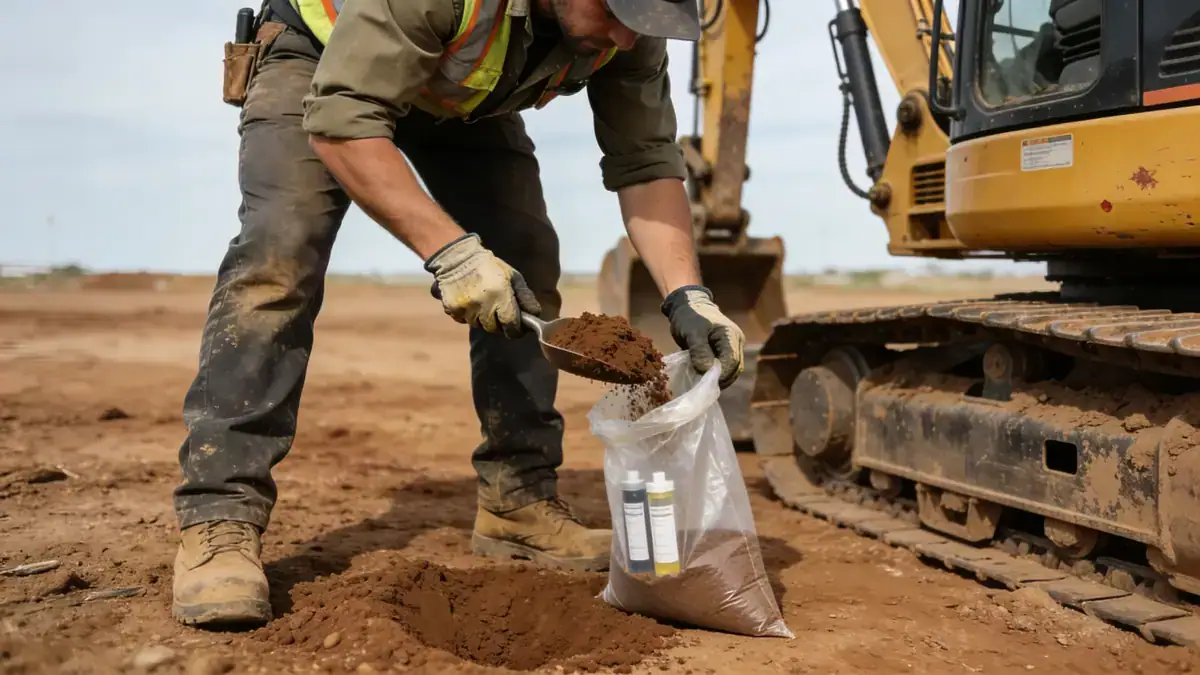
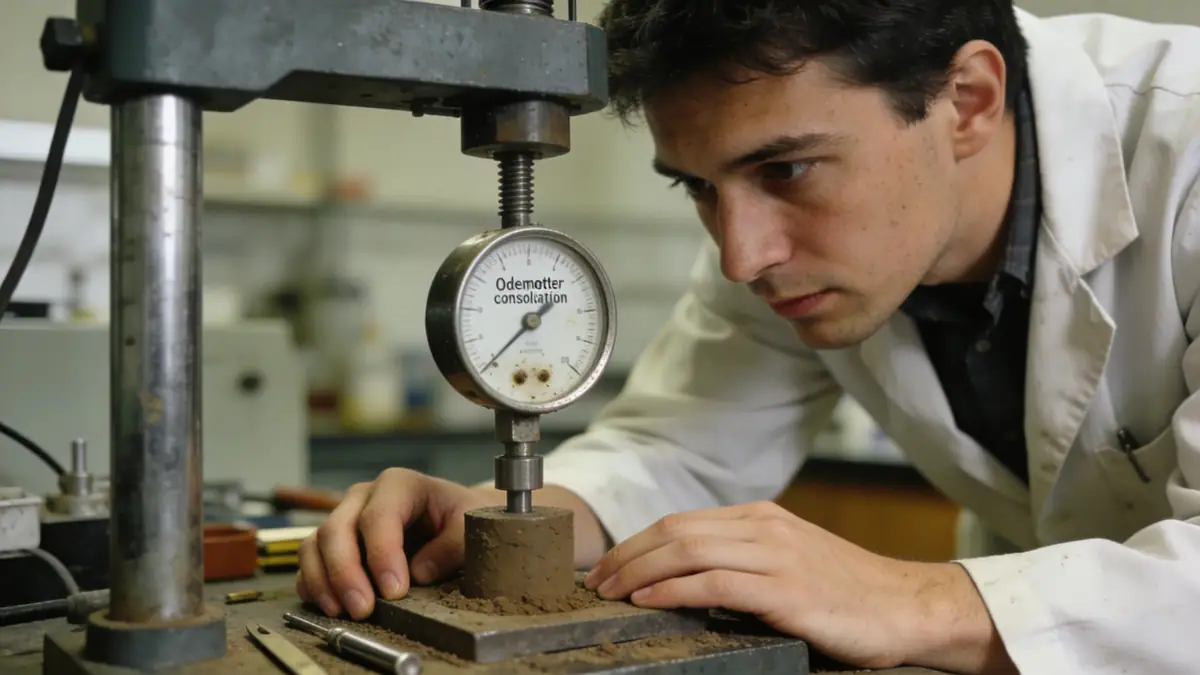
Our geotechnical engineering methodology in Bundaberg begins with a review of existing geological maps and historical data. We then conduct field investigations including spt boring to obtain disturbed and undisturbed samples at regular intervals. In situ tests like pocket penetrometer and vane shear are performed in cohesive soils. Laboratory testing follows Australian Standards for classification, strength, and compressibility. Groundwater monitoring wells are installed where necessary. All data is interpreted to develop a geotechnical model that informs foundation design, slope stability, and earthworks specifications.
Reference Technical Parameters
| Parameter | Reference Value |
|---|---|
| Predominant soil type | Soft clay and silt (CH, MH) |
| Maximum seismic acceleration (PGA) | 0.08g (AS 1170.4) |
| Typical groundwater level | 1–3 m below ground |
| Bedrock depth | Variable, 5–30 m (basalt) |
| Typical N60 range | 2–15 blows/300mm |
Local Considerations — Bundaberg
Bundaberg lies on the Burnett River floodplain, underlain by Quaternary alluvium over Tertiary basalts and sedimentary rocks. The predominant soils are soft clays and silts of high plasticity, with loose sands near the coast. Groundwater is typically shallow (1–3 m depth). Seismic hazard is low to moderate, with PGA of 0.08g for 500-year return period under AS 1170.4. The city's northern suburbs (e.g., Bargara) feature coastal sands and compressible clays, while southern areas (e.g., Gin Gin) have more competent residual soils. Common issues include settlement of soft clays and liquefaction potential in loose sands. Our team's experience in Bundaberg is complemented by our geotechnical engineering en Brisbane hub, which coordinates regional projects. Additionally, slope stability analyses are often required for cuts near the river.
Request a Quote
Our team reviews your project and issues an initial report at no cost.
Or write us directly at [email protected]
Services in Bundaberg
Applicable Standards
- AS 1170.4
- AS 1726
- AS 1289 series
- ASTM D1586
Frequently Asked Questions
What are the typical soil conditions in Bundaberg?
Bundaberg's soils are predominantly soft clays and silts from alluvial deposits, with loose sands near the coast. High plasticity and shallow groundwater are common challenges. Deeper residual soils on basalt provide better bearing capacity in some areas.
Is a geotechnical investigation mandatory in Bundaberg?
While not always legally required for small residential projects, most councils and engineers recommend it. For commercial or multi-storey buildings, a geotechnical report is typically required to meet the National Construction Code and local planning conditions.
How does seismic risk affect geotechnical design in Bundaberg?
Bundaberg has low to moderate seismicity with a PGA of 0.08g. Site soil classification per AS 1170.4 is essential; soft soils can amplify ground motions. Liquefaction assessment is needed in loose saturated sands, particularly near the coast.