Methodology
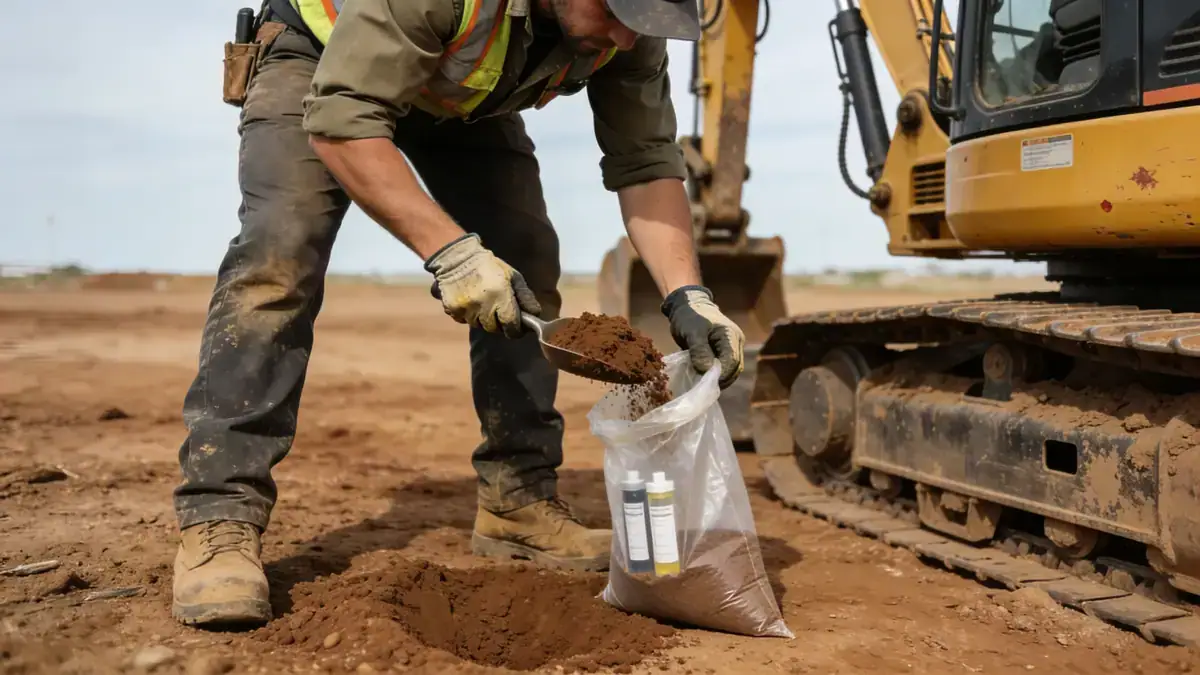
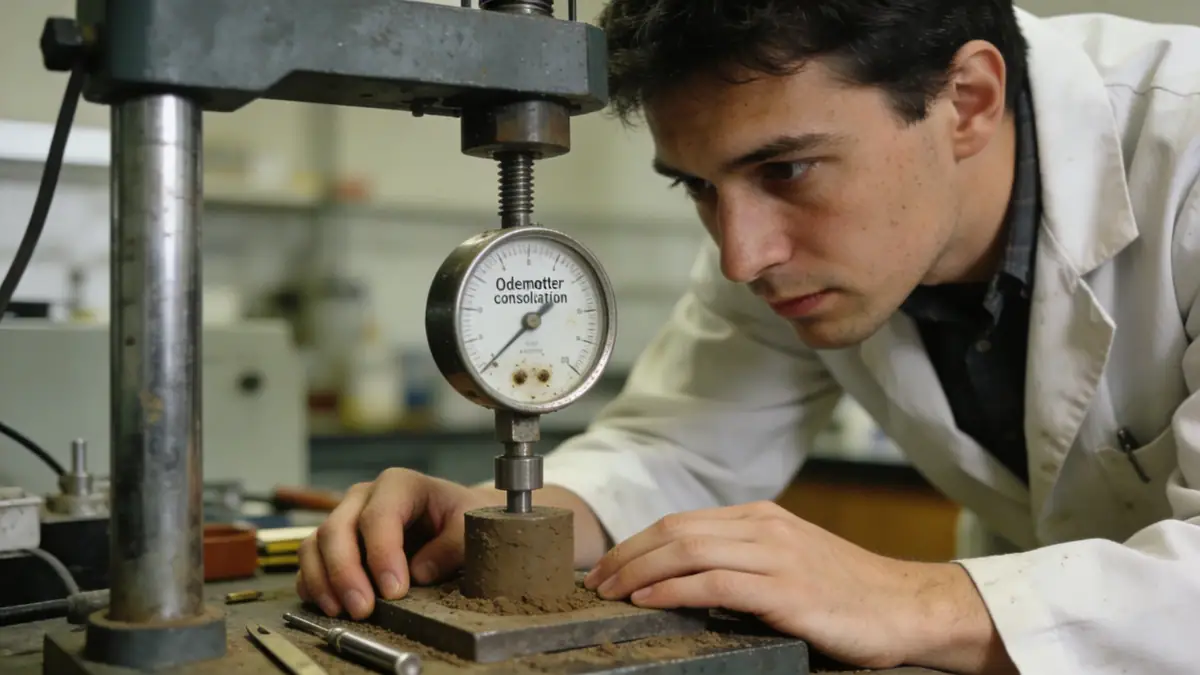
Our approach to geotechnical engineering in Gold Coast is systematic and data-driven. We begin with a detailed desk study of geological maps and historical records, followed by field investigations tailored to the site's specifics. Our standard practice includes spt boring at intervals of 1.0 to 1.5 meters, conforming to ASTM D1586, to obtain N60 values and undisturbed samples. For continuous profiling, we also employ cone penetration testing (CPT) with readings every 1–2 cm. These methods allow us to characterize soil stratigraphy, groundwater conditions, and engineering properties such as shear strength and compressibility, forming the basis for our recommendations.
Reference Technical Parameters
| Parameter | Reference Value |
|---|---|
| Predominant soil type | Coastal sands; residual clays/silts in hinterland |
| Maximum seismic acceleration (PGA) | 0.08–0.12 g (AS 1170.4, site-dependent) |
| Typical groundwater level | 1–3 m below surface in coastal areas; >5 m inland |
| Bedrock depth | 5–30 m (shallower in western suburbs) |
| Typical N60 range | 4–15 (coastal sands); 15–40 (residual soils) |
Local Considerations — Gold Coast
Gold Coast's geology is shaped by its coastal plain and volcanic hinterland. The eastern suburbs are underlain by Quaternary sands and estuarine deposits, with groundwater levels often at 1–3 m depth. Western areas feature residual soils from the Lamington Group volcanics, with bedrock at 5–15 m. Seismicity is low to moderate, with peak ground accelerations of 0.08–0.12 g per AS 1170.4. Our team routinely addresses challenges such as acid sulfate soils in low-lying zones and slope stability in the hinterland. For larger regional projects, we collaborate with our geotechnical engineering en Brisbane hub to share resources and expertise.
Request a Quote
Our team reviews your project and issues an initial report at no cost.
Or write us directly at [email protected]
Services in Gold Coast
Applicable Standards
- AS 1170.4 (Structural Design Actions – Earthquake)
- AS 1726 (Geotechnical Site Investigations)
- AS 4678 (Earth Retaining Structures)
- ASTM D1586 (Standard Penetration Test)
Frequently Asked Questions
What are the typical soil types encountered in Gold Coast geotechnical investigations?
In coastal areas, we encounter loose to medium dense sands with occasional clay layers. In the hinterland, residual soils derived from basalt or rhyolite are common, often stiff to hard clays or silty sands. These differences significantly influence foundation design and construction methods.
How does seismic activity affect geotechnical engineering in Gold Coast?
Gold Coast lies in a low-to-moderate seismicity zone per AS 1170.4, with design PGA of 0.08–0.12 g. However, local soil amplification can increase ground motion, especially on soft coastal deposits. Our investigations assess site class and liquefaction potential to ensure compliant designs.
Are geotechnical investigations mandatory for all construction projects in Gold Coast?
While not always legally required for minor works, most councils and certification bodies recommend or mandate a geotechnical report for structures with significant loads, slopes, or in areas with known ground issues. Lenders and insurers often require them for risk assessment.