Methodology
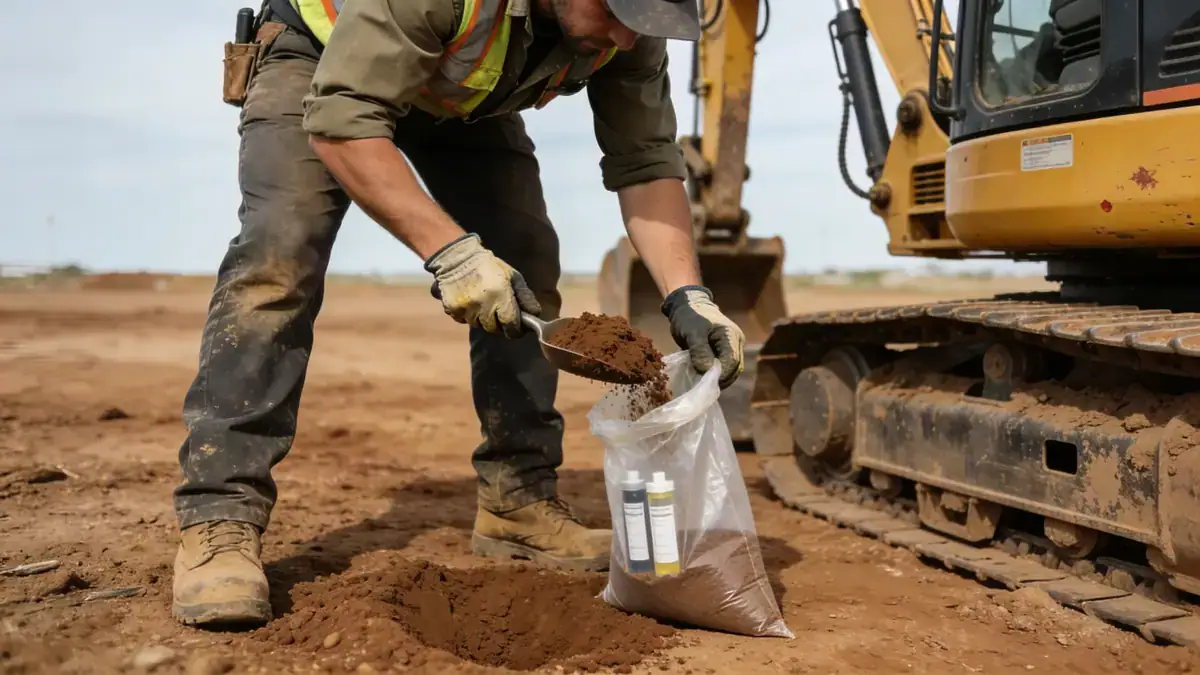
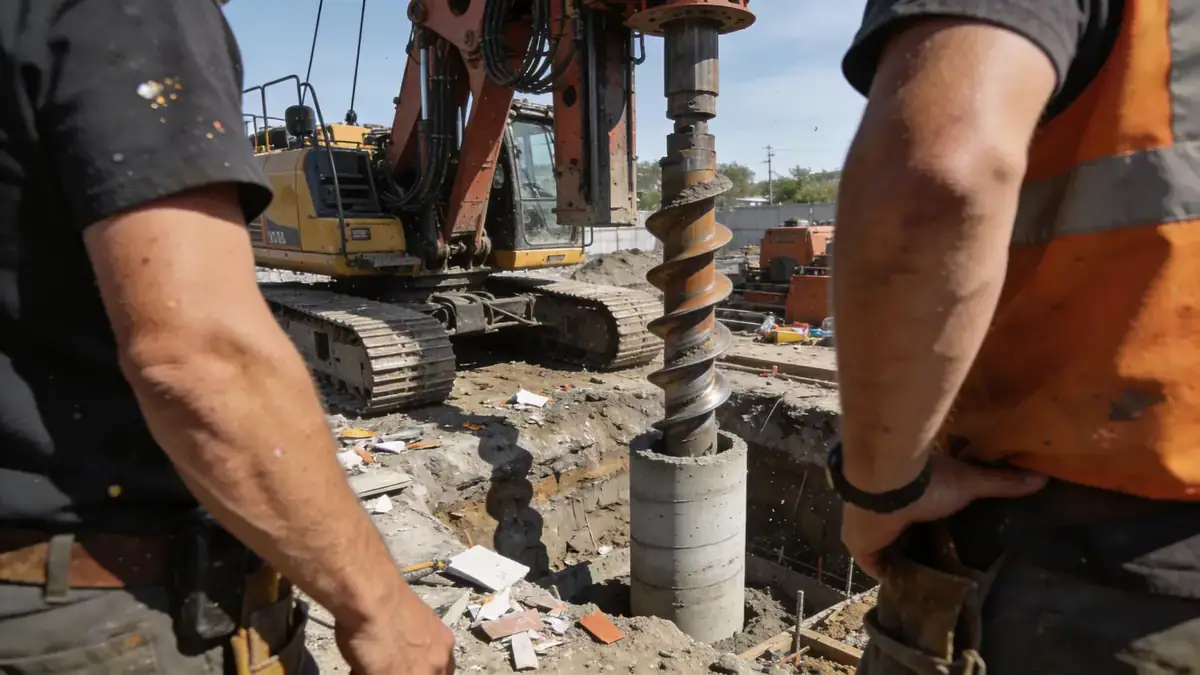
Our methodology for geotechnical engineering in Hervey Bay integrates field and laboratory programs to characterize subsurface conditions. We conduct systematic site investigations using spt boring to obtain disturbed and undisturbed samples, complemented by cone penetration testing (CPT) for continuous profiling. In the laboratory, we perform classification tests (gradation, Atterberg limits) and strength testing (direct shear, triaxial) per AS 1289. Groundwater monitoring wells are installed to assess seasonal fluctuations. All data is synthesized into a geotechnical model that informs foundation design, slope stability, and earthworks. Our approach adheres to AS 1726 and incorporates local experience with coastal sands and estuarine deposits.
Reference Technical Parameters
| Parameter | Reference Value |
|---|---|
| Predominant soil type | Coastal sands and estuarine silts |
| Maximum seismic acceleration (PGA) | 0.08g (AS 1170.4, 1:500 year event) |
| Typical groundwater level | 1.5–3.0 m below ground surface |
| Bedrock depth | Variable; >20 m in coastal plains |
| Typical N60 range (sands) | 5–25 blows per 300 mm |
Local Considerations — Hervey Bay
Hervey Bay's geology is dominated by Quaternary coastal sands, estuarine silts, and occasional clay lenses. The shallow water table (1.5–3 m) poses challenges for excavations and requires dewatering or groundwater control measures. Seismic hazard is low to moderate (PGA 0.08g per AS 1170.4), but liquefaction potential exists in loose saturated sands. The western suburbs (e.g., Urraween) feature firmer soils derived from weathered sandstone, while eastern coastal areas (e.g., Torquay) have softer marine deposits. Typical projects include residential slabs, retaining walls, and road embankments. Our team coordinates with Brisbane-based specialists for complex designs, leveraging the resources of geotechnical engineering en Brisbane to deliver comprehensive solutions. For slope stability assessments, we provide slope stability analyses using limit equilibrium methods.
Request a Quote
Our team reviews your project and issues an initial report at no cost.
Or write us directly at [email protected]
Services in Hervey Bay
Applicable Standards
- AS 1170.4 – Earthquake actions
- AS 1726 – Geotechnical site investigations
- AS 2870 – Residential slabs and footings
- AS 1289 – Methods of testing soils
Frequently Asked Questions
What soil types are most common in Hervey Bay?
Hervey Bay predominantly features coastal sands and estuarine silts, with localized clay lenses. These soils are generally loose to medium dense, with variable groundwater levels. Proper classification through SPT and laboratory testing is essential for foundation design.
Are geotechnical investigations mandatory for residential projects in Hervey Bay?
While not always legally required, AS 2870 recommends site classification for residential slabs. Local councils often request geotechnical reports for subdivisions or developments in flood-prone areas. Our team advises conducting investigations to avoid costly structural issues.
How does seismic activity affect foundation design in Hervey Bay?
Hervey Bay has low seismic hazard (PGA 0.08g per AS 1170.4), but liquefaction potential in loose saturated sands must be considered. Site-specific response spectra and soil amplification factors are evaluated to ensure compliance with Australian standards.