Methodology
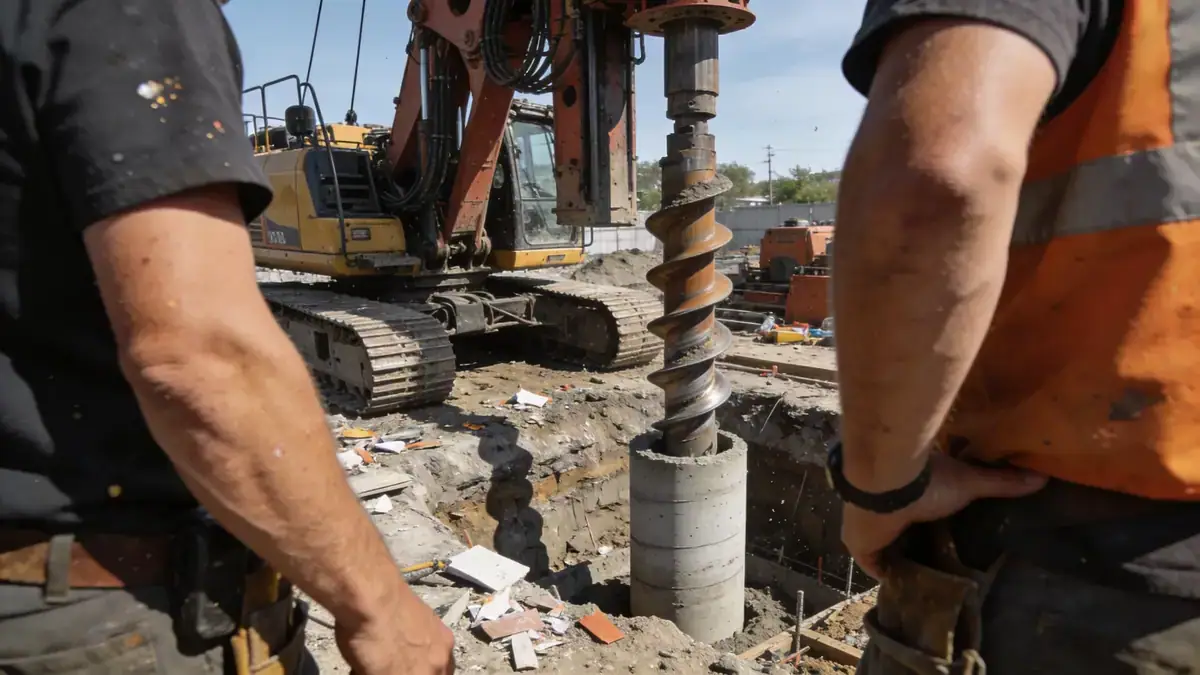
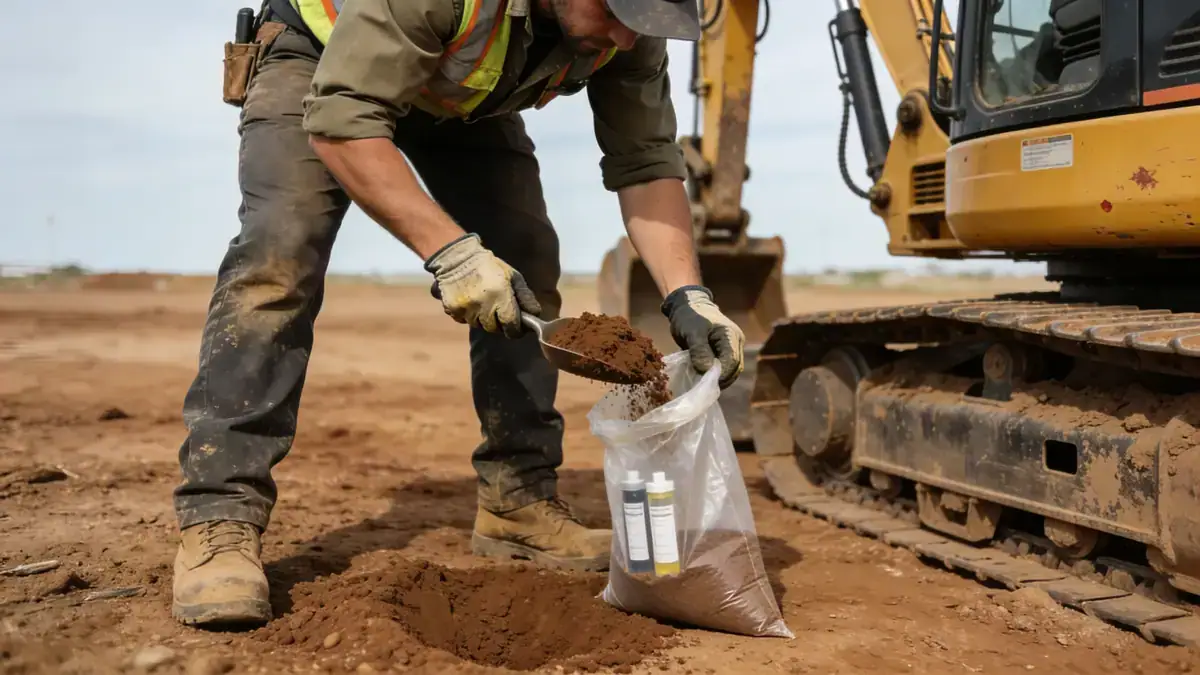
Our approach to geotechnical engineering in Mackay begins with a thorough desk study of existing geological maps and borehole records, followed by a targeted field investigation program. We employ spt boring to obtain disturbed and undisturbed samples, with standard penetration tests (SPT) conducted every 1.5 metres in accordance with AS 1289.6.3.1. In cohesive soils, we extract undisturbed tube samples for laboratory testing. Geotechnical boreholes are advanced to depths of 10–20 metres for typical commercial structures, with deeper holes (up to 30 metres) for multi-storey buildings or bridge foundations. All fieldwork is supervised by our senior engineers to ensure data quality and safety compliance.
Reference Technical Parameters
| Parameter | Reference Value |
|---|---|
| Predominant soil type | Silty sand (SM) and clay (CL) |
| Maximum seismic acceleration (PGA) | 0.08g (AS 1170.4, Site Class D) |
| Typical groundwater level | 2–6 m below ground surface |
| Bedrock depth | 15–30 m (metasedimentary basement) |
| Typical N60 range | 5–20 blows/300 mm |
Local Considerations — Mackay
Mackay's geology is dominated by alluvial plains and coastal dunes, with soft compressible clays near the Pioneer River and denser sands toward the city centre. Seasonal rainfall can cause groundwater fluctuations of up to 2 metres, affecting excavation stability and foundation design. Our team integrates these factors into every project, referencing the Mackay Regional Council's planning scheme for fill and retaining wall requirements. For complex sites, we complement field data with advanced soil mechanics laboratory testing, including consolidation and triaxial tests. Our familiarity with local conditions ensures accurate bearing capacity assessments and settlement predictions for both residential subdivisions and large-scale industrial developments.
Request a Quote
Our team reviews your project and issues an initial report at no cost.
Or write us directly at [email protected]
Services in Mackay
Applicable Standards
- AS 1726 – Geotechnical site investigations
- AS 1170.4 – Earthquake actions (Australia)
- AS 2870 – Residential slabs and footings
- AS 4678 – Earth retaining structures
Frequently Asked Questions
What soil types are commonly encountered in Mackay?
Mackay's subsurface predominantly consists of Quaternary alluvial deposits, including silty sands, sandy clays, and occasional peat layers. In coastal zones, marine sediments such as soft clays and loose sands are present. These soils often require careful evaluation for bearing capacity and settlement.
Is seismic design required for structures in Mackay?
Yes, under AS 1170.4, Mackay falls into seismic hazard zone A with a peak ground acceleration of 0.08g for Site Class D. While the hazard is moderate, seismic design is mandatory for essential facilities and multi-storey buildings, and may influence foundation selection for certain soil profiles.
Are geotechnical investigations mandatory for new developments in Mackay?
The Mackay Regional Council generally requires a geotechnical report for subdivisions, retaining walls over 1 metre, and buildings on reactive or filled ground. Even where not mandatory, our firm recommends investigations to mitigate risks related to expansive clays and fluctuating groundwater.