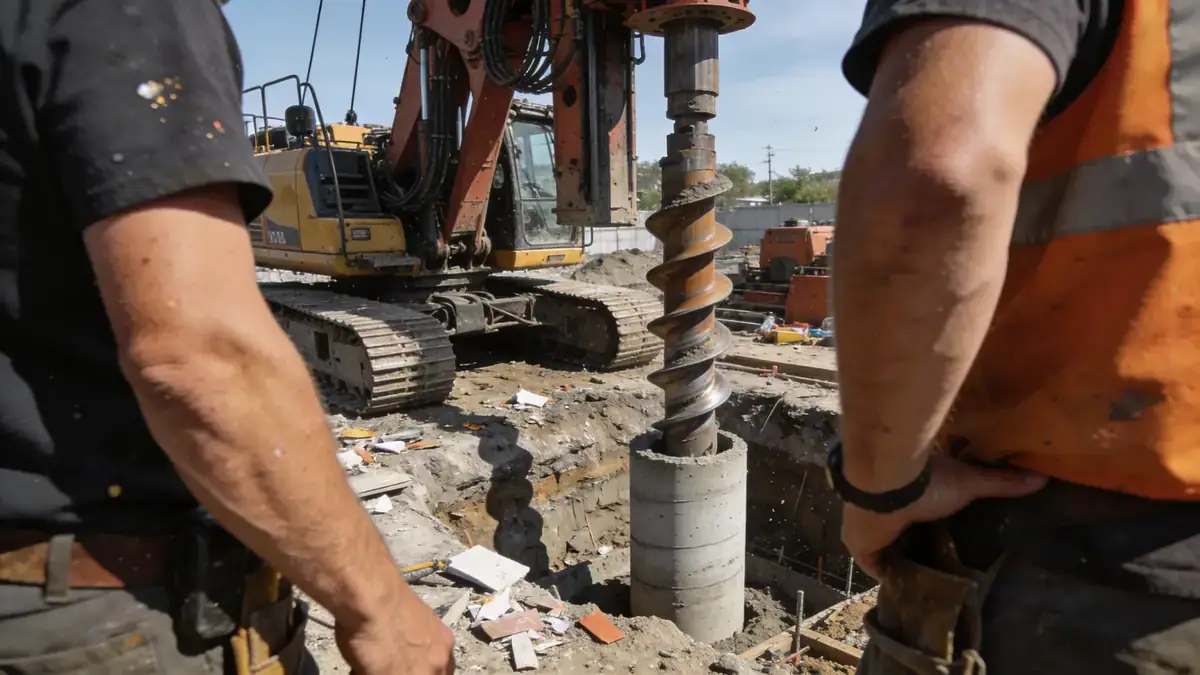
Methodology
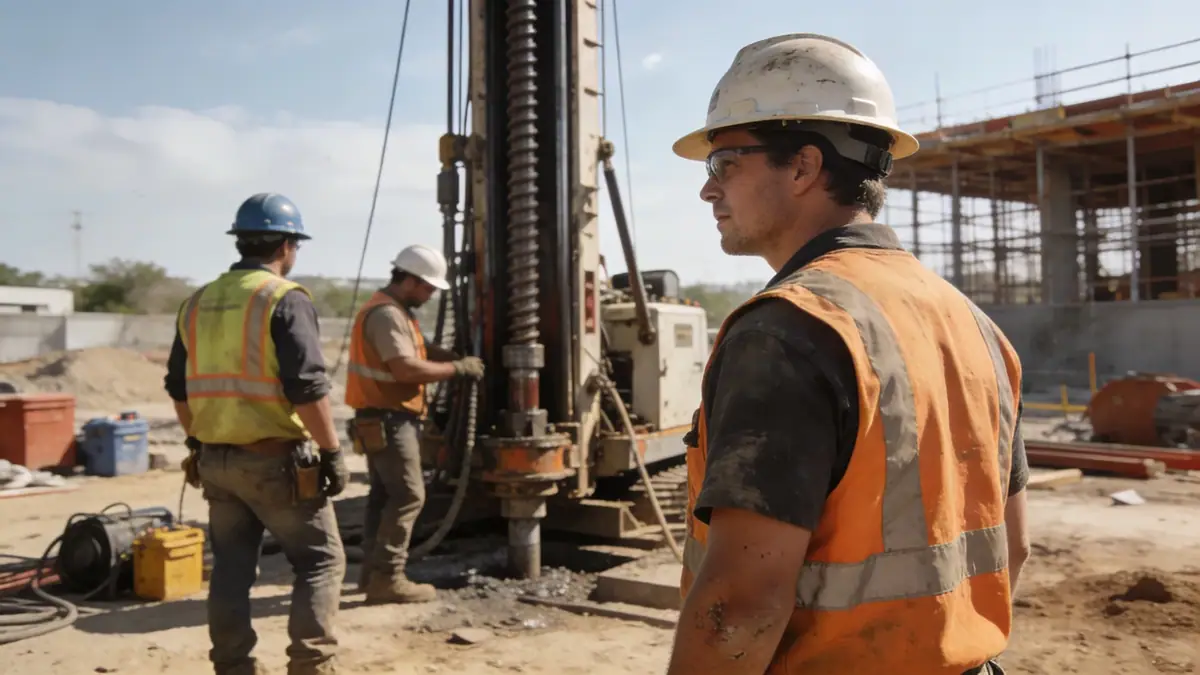
Our methodology in Rockhampton begins with a comprehensive desk study to review existing geological maps and borehole records. We then conduct field investigations, including spt boring to obtain disturbed and undisturbed samples at regular intervals, typically every 1.5 meters as per ASTM D1586. In cohesive soils, we perform vane shear tests to assess undrained shear strength. All samples are transported to our soil mechanics laboratory for classification, compaction, and strength testing. We integrate field data with numerical modeling to develop geotechnical design parameters, ensuring that foundation recommendations are tailored to the specific site conditions encountered in Rockhampton.
Reference Technical Parameters
| Parameter | Reference Value |
|---|---|
| Predominant soil type | Alluvial silts, clays, and basaltic gravels |
| Maximum seismic acceleration (PGA) | 0.08g (AS 1170.4) |
| Typical groundwater level | 2–5 m below ground surface |
| Bedrock depth | 10–30 m (basalt or sedimentary rock) |
| Typical N60 range (SPT) | 4–50 blows/300mm |
Local Considerations — Rockhampton
Rockhampton's geology is dominated by Quaternary alluvium overlying Tertiary basalts and sedimentary rocks. The Fitzroy River floodplain presents soft compressible clays and high groundwater levels, requiring careful consideration for shallow foundations. In contrast, the northern suburbs (e.g., Norman Gardens) feature residual basaltic soils with higher bearing capacity. Our team has observed that expansive clays are common in areas like Frenchville, necessitating moisture management and slab design per AS 2870. For projects near the river, we recommend slope stability assessments to mitigate erosion risks. As a regional hub, we coordinate with our geotechnical engineering team in Brisbane to ensure consistent quality across Queensland.
Request a Quote
Our team reviews your project and issues an initial report at no cost.
Or write us directly at [email protected]
Services in Rockhampton
Applicable Standards
- AS 1170.4 – Earthquake loads
- AS 2870 – Residential slabs and footings
- AS 1726 – Geotechnical site investigations
- ASTM D1586 – Standard test method for SPT
Frequently Asked Questions
What are the typical soil types encountered in Rockhampton?
The predominant soils are alluvial silts and clays along the Fitzroy River, with basaltic gravels and residual clays in elevated areas. Expansive clays are common in some suburbs, requiring specific foundation designs to mitigate movement.
Is seismic design required for Rockhampton?
Yes, AS 1170.4 assigns Rockhampton to a seismic hazard zone with a peak ground acceleration of 0.08g for a 500-year return period. Most structures require consideration of earthquake loads, though the risk is lower than in southern Australia.
Are geotechnical investigations mandatory for new buildings in Rockhampton?
For most residential and commercial projects, a geotechnical investigation is recommended by the Rockhampton Regional Council and often required by engineers to satisfy the National Construction Code. Site classification per AS 2870 is essential for slab design.