Methodology
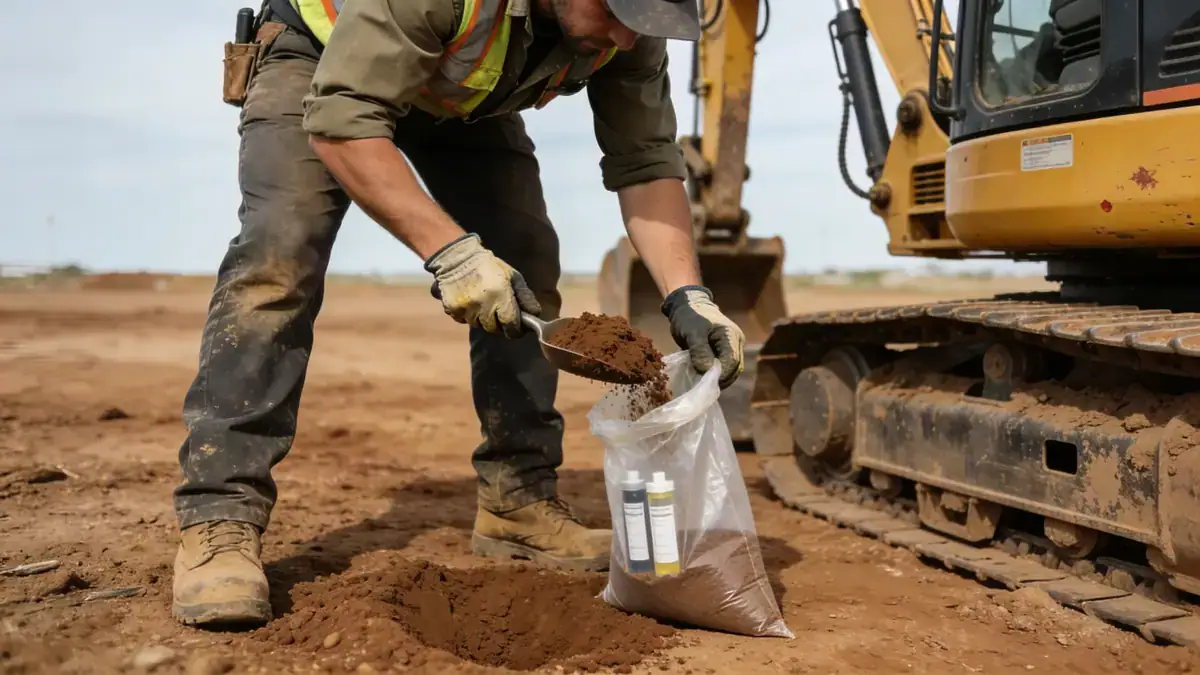
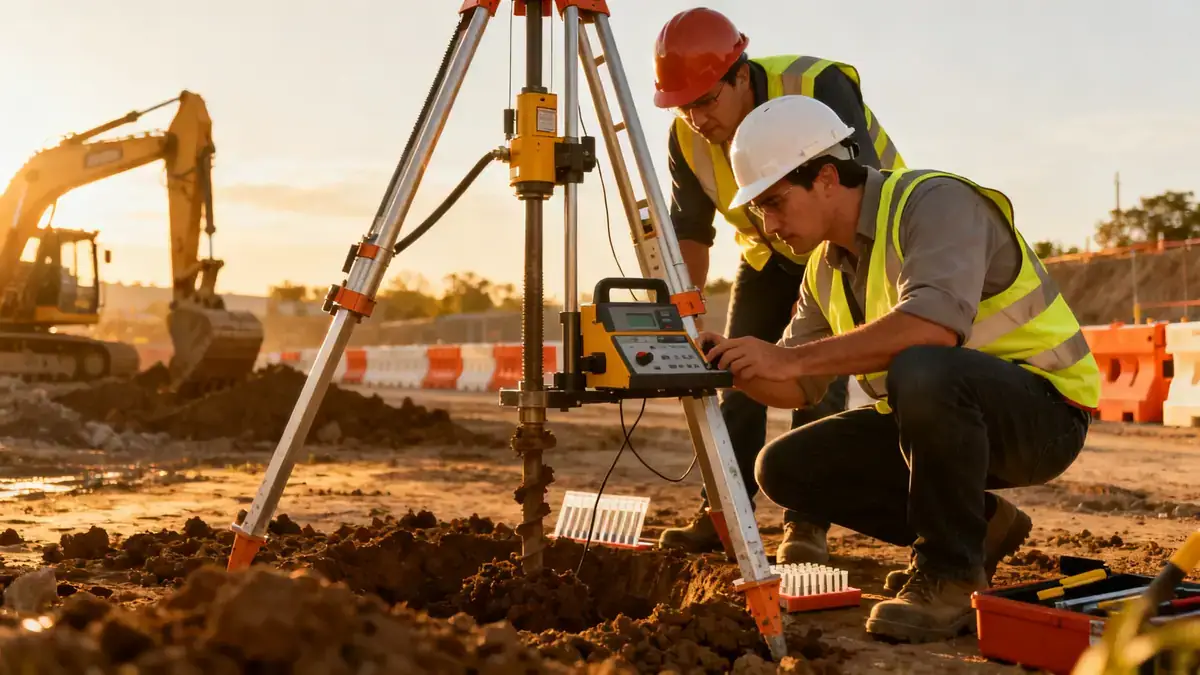
Our methodology for geotechnical engineering in Sunshine Coast begins with a thorough desk study of geological maps and historical data. We then execute a field investigation program, including spt boring at regular intervals to assess soil strength and stratigraphy. Laboratory testing on recovered samples determines moisture content, Atterberg limits, and shear strength parameters. Data analysis yields design parameters for shallow and deep foundations, slope stability, and earthworks, all integrated into a comprehensive geotechnical report.
Reference Technical Parameters
| Parameter | Reference Value |
|---|---|
| Predominant soil type | Sandy clays and silty sands with occasional gravels |
| Maximum seismic acceleration (PGA) | 0.08g (AS 1170.4) |
| Typical groundwater level | 2–5 m below ground surface |
| Bedrock depth | 10–30 m (Neranleigh-Fernvale beds) |
| Typical N60 range | 4–15 (SPT, ASTM D1586) |
Local Considerations — Sunshine Coast
Sunshine Coast's geology features Quaternary alluvium overlying metamorphic and sedimentary rocks. Shallow groundwater is common near the coast, requiring dewatering considerations. The region is seismically active, with PGA of 0.08g per AS 1170.4. Our soil mechanics laboratory provides site-specific parameters for foundation design. For projects requiring regional support, our geotechnical engineering en Brisbane office coordinates large-scale investigations.
Request a Quote
Our team reviews your project and issues an initial report at no cost.
Or write us directly at [email protected]
Services in Sunshine Coast
Applicable Standards
- AS 1170.4 – Earthquake Actions
- AS 1726 – Geotechnical Site Investigations
- ASTM D1586 – Standard Penetration Test
- AS 4678 – Earth Retaining Structures
- Queensland Development Code MP 1.2
Frequently Asked Questions
What are the typical soil conditions in Sunshine Coast?
Sunshine Coast predominantly features sandy clays and silty sands from Quaternary alluvium, underlain by metamorphic rocks. Groundwater levels are shallow near the coast, and N60 values range from 4 to 15, indicating variable density.
Is seismic design required for structures in Sunshine Coast?
Yes, per AS 1170.4, Sunshine Coast has a peak ground acceleration of 0.08g, requiring seismic considerations for most structures. Our geotechnical reports include site-specific seismic parameters for compliant design.
Are geotechnical investigations mandatory for development in Sunshine Coast?
While not always legally mandatory, most councils require a geotechnical report for subdivisions, retaining walls, and buildings on reactive soils. Lenders and insurers often mandate investigations for risk management.