Methodology
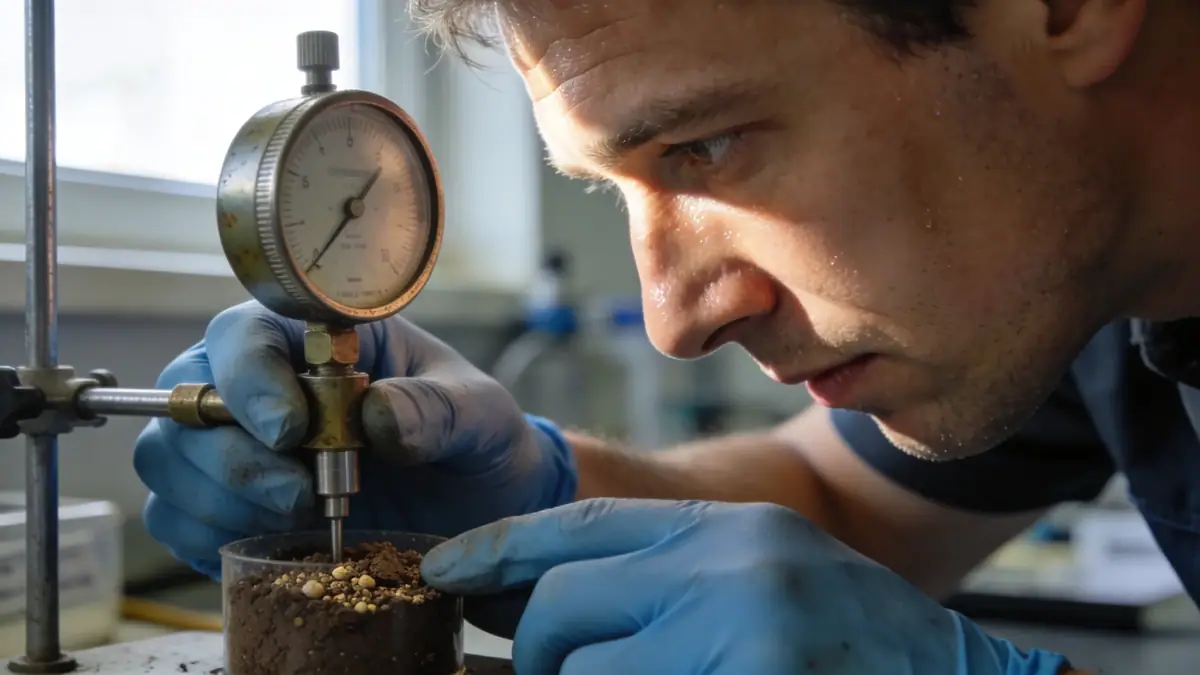
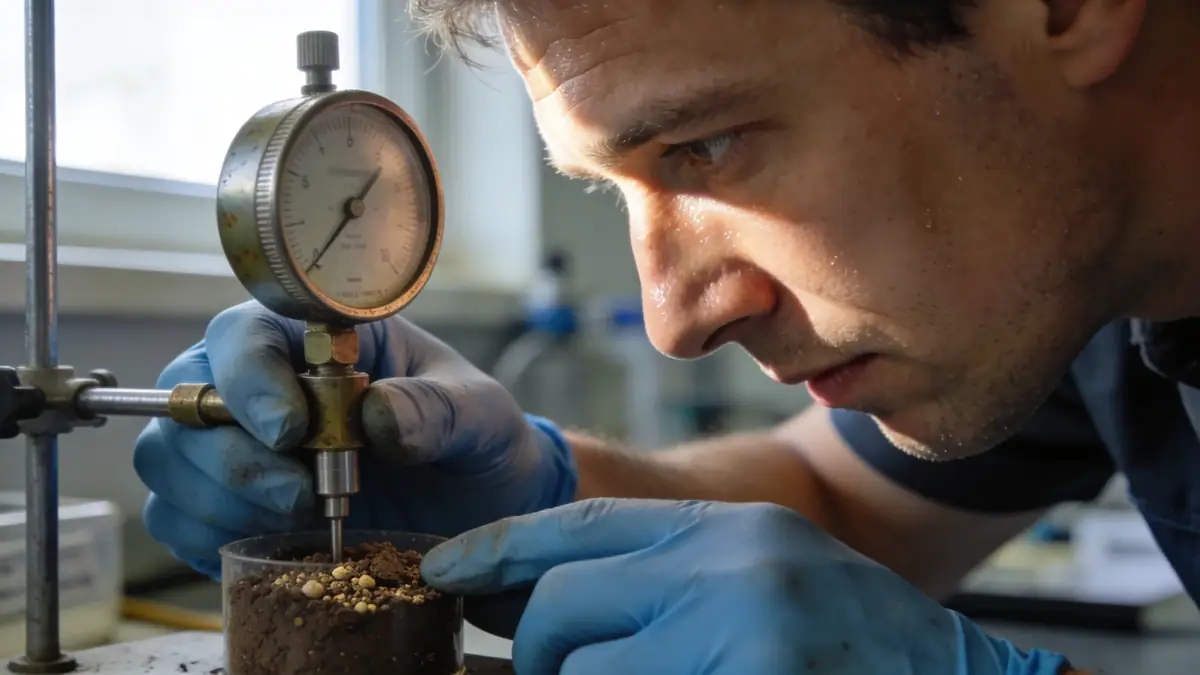
Our geotechnical approach in Toowoomba follows a systematic field and laboratory programme. We begin with a site walkover and review of existing geological maps, then conduct spt boring at intervals of 1.5 metres to recover disturbed and undisturbed samples. Standard Penetration Tests (SPT) are performed in accordance with AS 1289.6.3.1, with N values recorded for each blow count. Groundwater levels are monitored during drilling and after 24 hours. Samples are transported to our soil mechanics laboratory for classification, strength, and consolidation testing. This data is integrated into a geotechnical model that informs foundation design parameters, including bearing capacity and settlement estimates.
Reference Technical Parameters
| Parameter | Reference Value |
|---|---|
| Predominant soil type | Basalt-derived clay (CH) and weathered sedimentary rock |
| Maximum seismic acceleration (PGA) | 0.08g (AS 1170.4 Zone 1) |
| Typical groundwater level | 3–8 metres below ground surface |
| Bedrock depth | Variable, 10–25 metres (basalt or sandstone) |
| Typical N60 range (SPT) | 4–15 (clay), 20–50 (weathered rock) |
Local Considerations — Toowoomba
Toowoomba’s geology is shaped by the Main Range volcanic province, with extensive basalt flows overlying sedimentary sequences. The predominant clay soils exhibit high plasticity and shrink-swell potential, requiring careful moisture management and foundation design. Groundwater is perched in localised aquifers, often influenced by seasonal rainfall. The city is divided into older alluvial terraces (e.g., East Toowoomba) and newer basalt plains (e.g., Westbrook), each with distinct geotechnical behaviour. Typical projects include residential slab-on-ground and retaining walls for sloping sites. For regional context, our team leverages expertise from geotechnical engineering en Brisbane to address complex ground conditions across the Darling Downs.
Request a Quote
Our team reviews your project and issues an initial report at no cost.
Or write us directly at [email protected]
Services in Toowoomba
Applicable Standards
- AS 1170.4 (Seismic actions)
- AS 2870 (Residential slabs and footings)
- AS 1289 (Soil testing methods)
- AS 4678 (Earth retaining structures)
- AS 1726 (Geotechnical site investigations)
Frequently Asked Questions
What are the main soil types found in Toowoomba?
The dominant soils are residual basaltic clays (classified as CH under the Unified Soil Classification System), often overlying weathered basalt or sandstone. These clays are highly plastic and reactive, requiring careful assessment for foundation movement.
Is a geotechnical investigation mandatory for building in Toowoomba?
While not always mandatory for minor structures, AS 2870 recommends a site classification for residential slabs. For commercial or multi-storey projects, a full geotechnical investigation is typically required by local council and structural engineers to ensure safety and compliance.
How does Toowoomba’s seismic zone affect foundation design?
Toowoomba lies in Seismic Zone 1 (AS 1170.4), with a peak ground acceleration of 0.08g. This low seismicity rarely governs foundation design, but sites with soft clay or liquefaction potential may require additional analysis, especially for critical infrastructure.